
By Peter Stothard
THIS IS THE FIRST ESSAY OF A NEW SECTION CALLED ‘SPEAKING STONES’, FOCUSED ON SINGLE ROMAN ARTEFACTS AND EPIGRAPHS
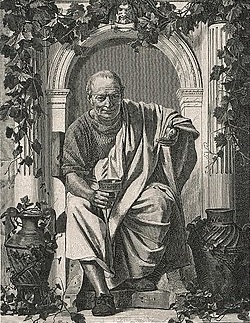
(65 BC – 8 BC)
Just occasionally there is an ancient Roman inscription that makes hardened scholars gasp. Many who write about the Roman past use the evidence of poetry but there is only one surviving place in which the Roman state mentions a poem and a poet. It is in the Epigraphic Museum at the Baths of the Emperor Diocletian. ‘Carmen composuit Q. Horatius Flaccus’, Quintus Horatius Flaccus wrote the poem.’ Those are the words, almost magic words to me. Everyone who loves Latin poetry – and Horace, the greatest master of love and life in Latin – should drop by and pay homage.
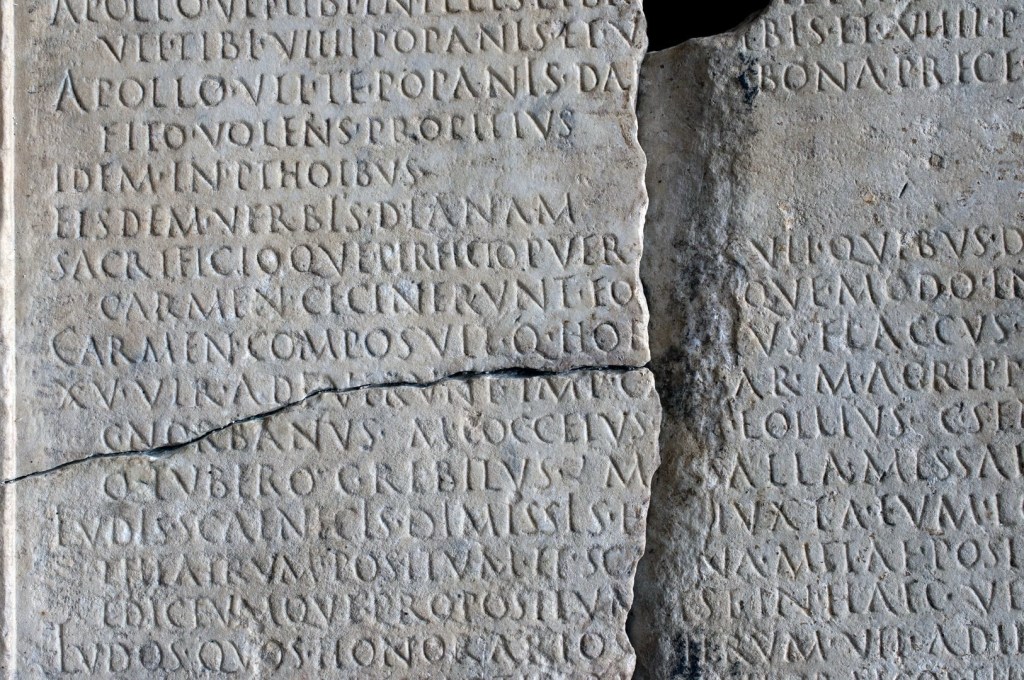
The poem mentioned, the Carmen Saeculare, is nobody’s idea of Horace’s finest. It was written in 17 BCE for a celebration that the Emperor Augustus hoped would promote marriage, childbirth, an adultery ban and the general moral regeneration of his imperial city. Neither Horace nor Augustus was personally prominent in these virtues but this was the first time after some fifteen years in power that Augustus felt safe enough to deliver such a sermon.
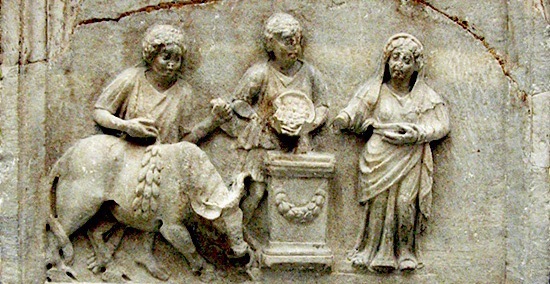
The inscription duly sets out the necessary sacrifices (cakes, lambs, she-goats and a pregnant pig), the membership of the choir (only boys and girls with living parents), a note on how to collect smoking torches at public expense and a warning against taking more than one per person. Mothers should arrive early. There would be seats in the theatre for the goddesses, Juno and Diana, but everyone else would have to stand.
No detail was too small. The text on the marble block, discovered during embankment works on the Tiber in 1890, is a serious call to citizens to pay attention. ‘We have also published the instructions [on a tablet], so that if anyone did not attend the assembly or did not fully [understand what was said], they may learn what [they should do], and which of them, and on which day they should do it.’ Augustus did not like mistakes.
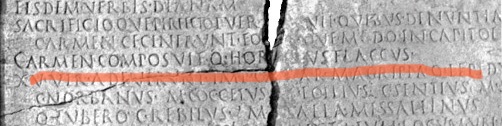
Horace’s name comes on line one hundred and forty nine. His poem, which is not itself in the inscription, is a hymn to Apollo, Augustus’s favoured god, to Diana and to the goddesses of childbirth in their various forms.
It was a tough assignment.
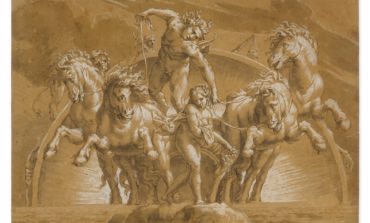
by Lelio Orsio (1511 – 1587).
‘Gentle Sun in your bright chariot: Alme Sol curru nitido’: so runs the opening of one of its more appreciated lines. ‘May you advance the decrees of the Senate on women’s sexual behaviour: ‘prosperes decretal super iugandis feminis’, that was the best he could manage on the central theme. Not even Horace could make good poetry out of recent laws to exile adulterous wives and their lovers to separate barren islands, to stop women lamenting too much at their husbands’ deaths and to get pregnant again. Praise of the new cleaner Rome, purged of witches and poisoners, was not much better for Horace, the greatest artist alive since the death of Virgil but always better at the glancing cut than the killer blow.
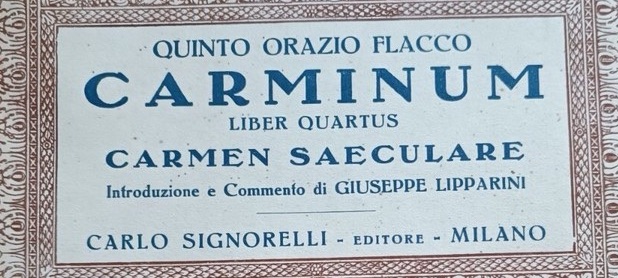
Nonetheless, the poet who gave the world ‘Seize the moment: carpe diem’ ‘Dare to know: Sapere aude’ and some of the most popular erotic and wistful words in Latin, got his name in official marble only because of his Carmen Saeculare. And he is the only Roman poet whom we know received that recognition. That is not just a proof of his status at the end of the first century BCE in ancient Rome but a proof, if demanded, to sceptics in the twenty-first century that Horace was a real person not just a man we must reconstruct and imagine from words on paper. This should be a much better known magic inscription, not in a remote museum but in the heart of Horace’s city.
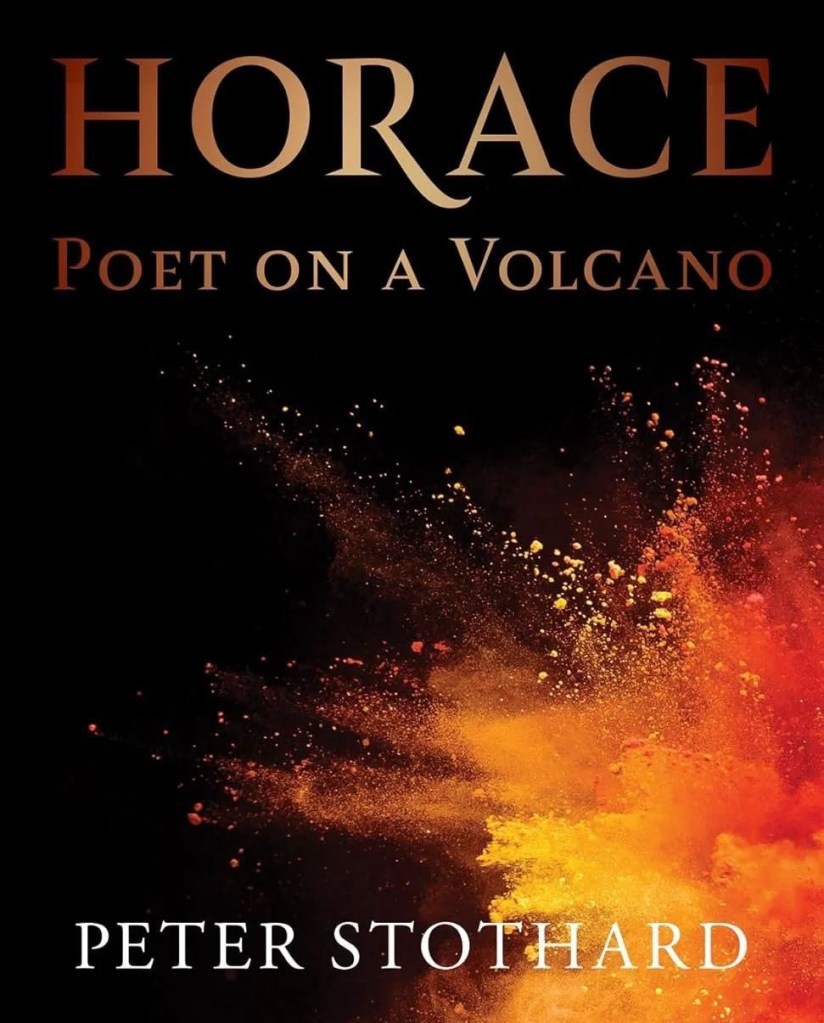
Peter Stothard is a former Editor of The Times of London and the Times Literary Supplement. His latest book is the first modern Life of Horace, Horace, Poet on a Volcano, published by Yale University Press. https://yalebooks.co.uk/book/9780300256581/horace/
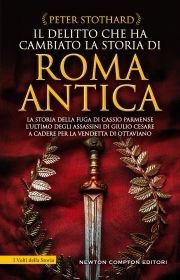
His account of the poet Cassius Parmensis, the longest surviving assassin of Julius Caesar, is published as ‘Il Delitto che ha Cambiato la Storia di Roma Antica’ by Newton Compton.
https://www.newtoncompton.com/libro/il-delitto-che-ha-cambiato-la-storia-di-roma-antica
 Italy as the Romans did
Leave a comment