
The ‘Must See’, the Archaeological Area
- The ‘Must See’, the Archaeological Area
- History and Roman Legacy
- Ancient Rome Itinerary
- ‘Fun Fact’, Catiline v. oligarchy
- Useful Informations
- Our Tabernae – Where to Eat
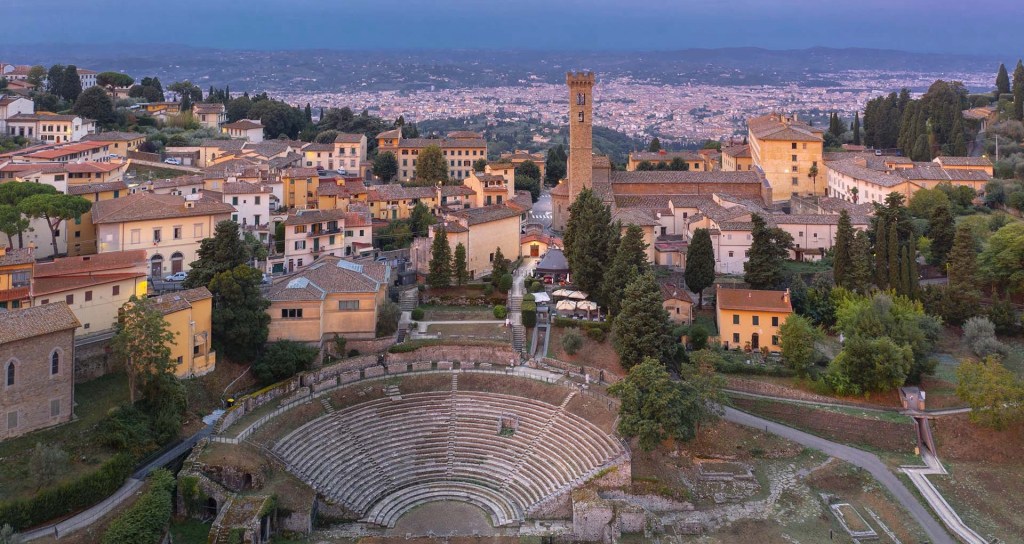
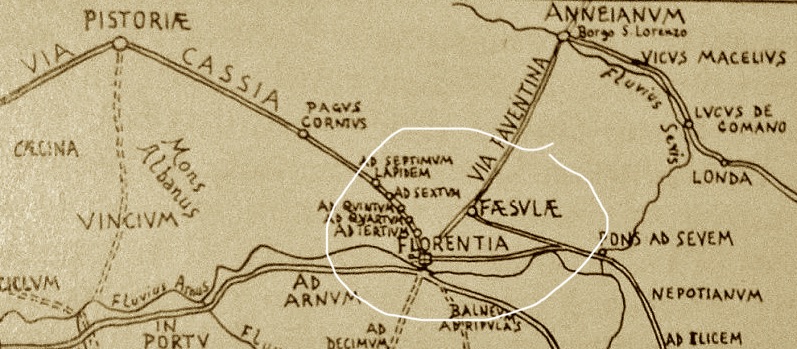
When Ancient Rome was a Republic, Florence was only a marshy area with just a few inhabitants. Fiesole, less than 10 km. north-west, was the main city at the heart of what is today Tuscany, with a fully navigable River Arno as its main route.
Despite not being an Etruscan capital, Fiesole was at first a fierce rival of Rome and then a precious ally even before its final conquest in the 1st century BC. It suddenly declined after it became the capital for Catiline’s failed conspiracy, in 63 BC, and Rome founded Florentia shortly after, in 59 BC.
The city lies on the summit of two hills, San Francesco and Sant’Apollinare, resembling a crescent moon, a feature reflected in the city’s coat of arms. This area has been inhabited since the Bronze Age.
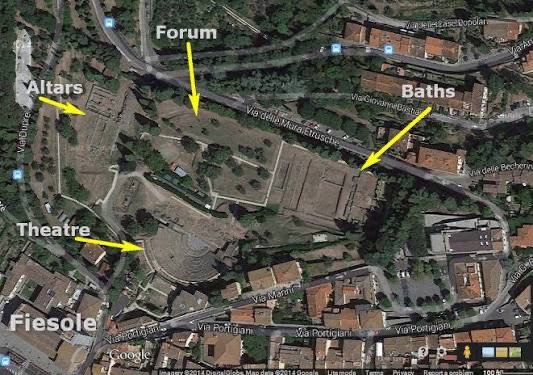
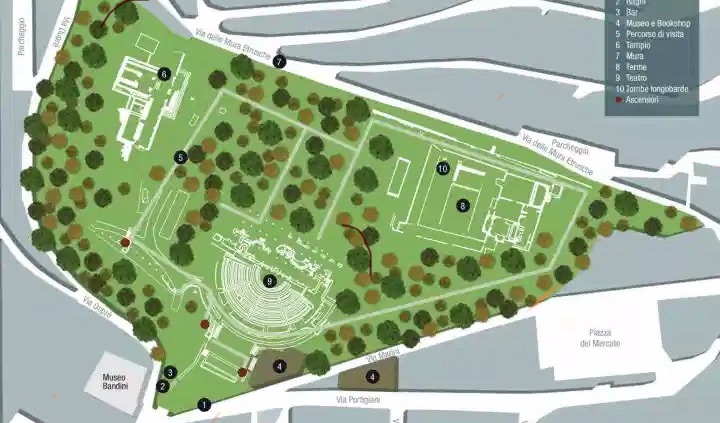
Today the Archaeological Area of Fiesole is one of the most beautiful archaeological parks north of Rome, with the Roman Theatre, the Thermal Baths and the Lombard Necropolis overlooking a marvelous Tuscan landscape.
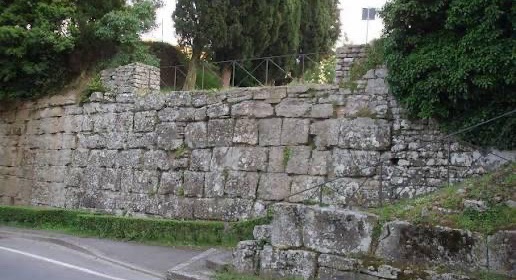
Delimited to the north by Etruscan walls, it narrates the history of Fiesole: the Romans, after conquering the city in the 1st century BC, built a new temple on the Etruscan 4th-century one and enriched the area with the Theatre and the Thermal baths.
CIVIC ARCHAEOLOGICAL MUSEUM – The visit may start from the Civic Archaeological Museum that preserves findings from protohistoric times to the Medieval age in Fiesole.
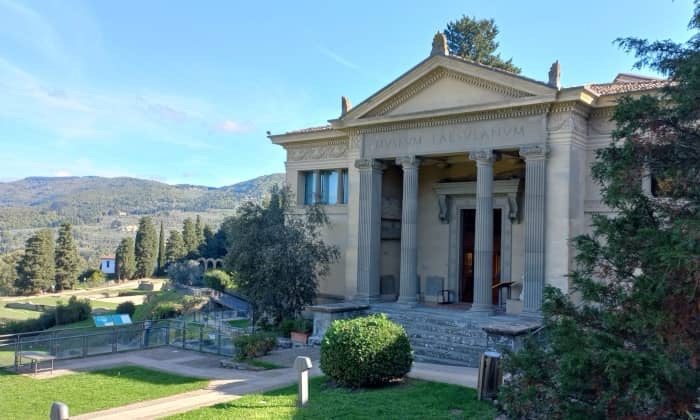
On the ground floor, the first halls are dedicated to findings from the territory of Fiesole with the display of materials found from the excavations of the Theatre, Thermal Baths and the votive shrine dedicated to the Temple of Minerva.
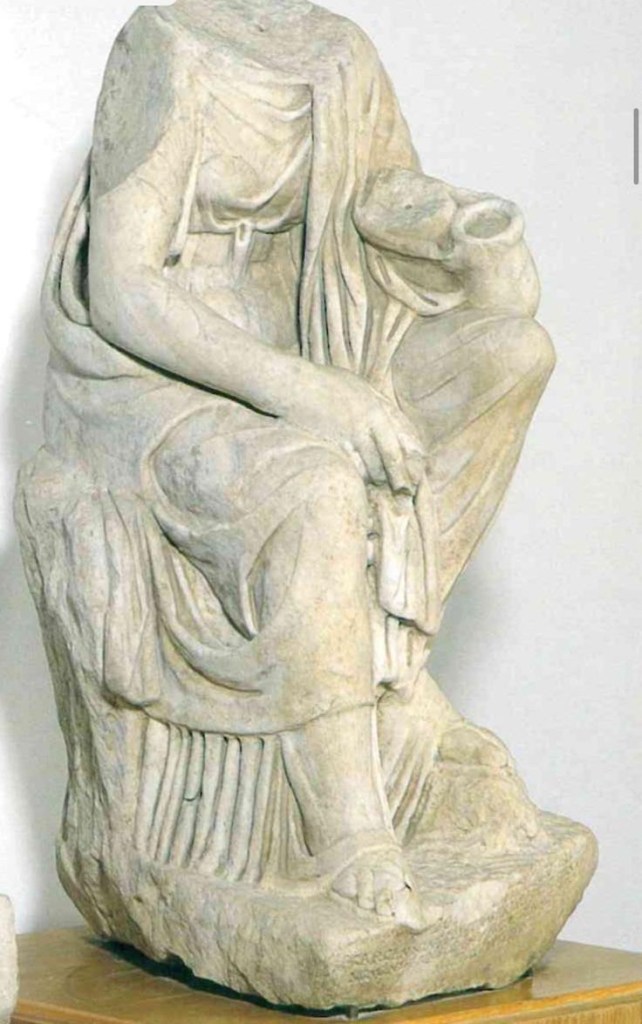
A marble cippus dating back to the 1st century AD commemorates the contribution of the nearby colony of Florentia (Florence) to the restoration of Faesulae’s main temple, the Capitoline Hill, the site of the cult of the three most important city deities: Jupiter, Juno, and Minerva.
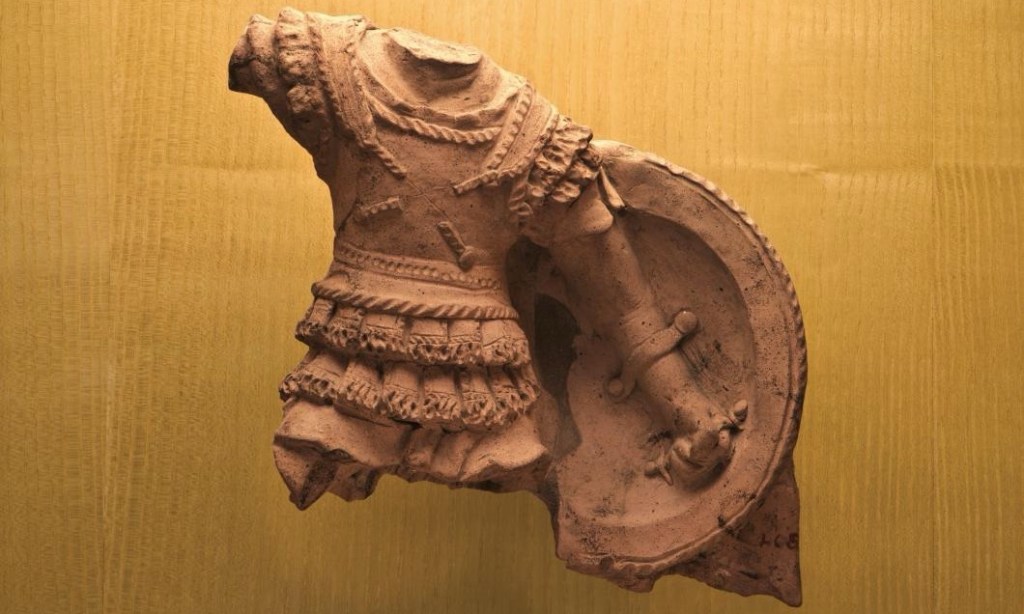
The other display cases contain some Roman ceramics (1st – 4th century AD) from the Roman temple built on the same site as the Etruscan one, after the Roman conquest of the city in 90 BC by the consul Marcus Porcius Cato.
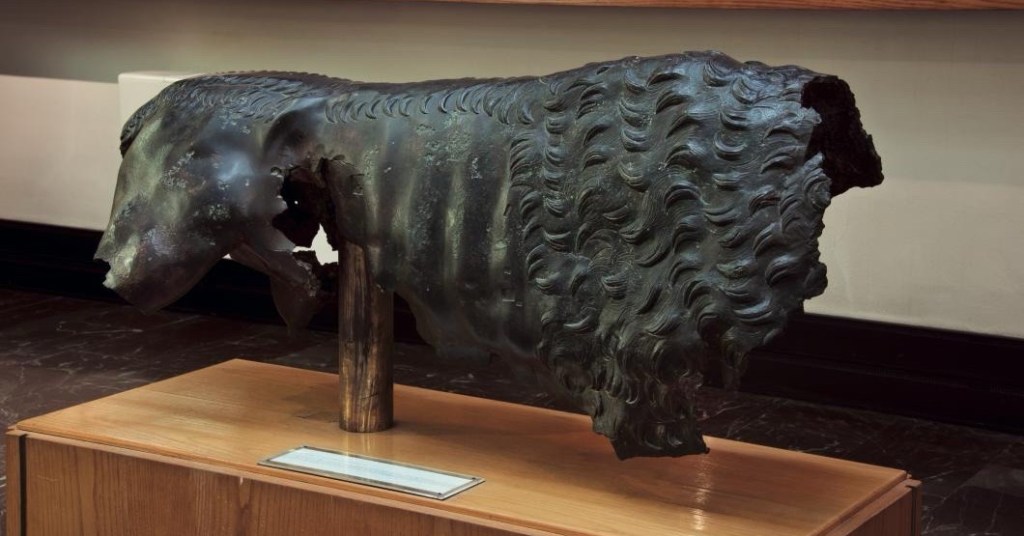
In the center of the room is a mysterious large bronze animal torso. Upon its discovery in 1882, it was immediately identified as a she-wolf. It was probably the totemic animal that watched over the fate of the town and its inhabitants. It is a female, as the two breasts clearly indicate, but it is not even sure if it was from the Etruscan or the Roman period.
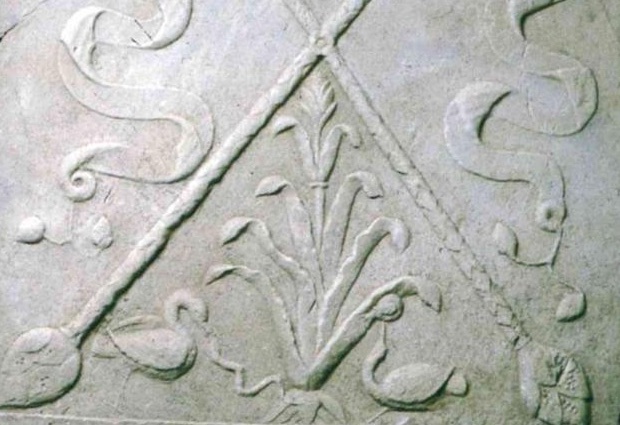
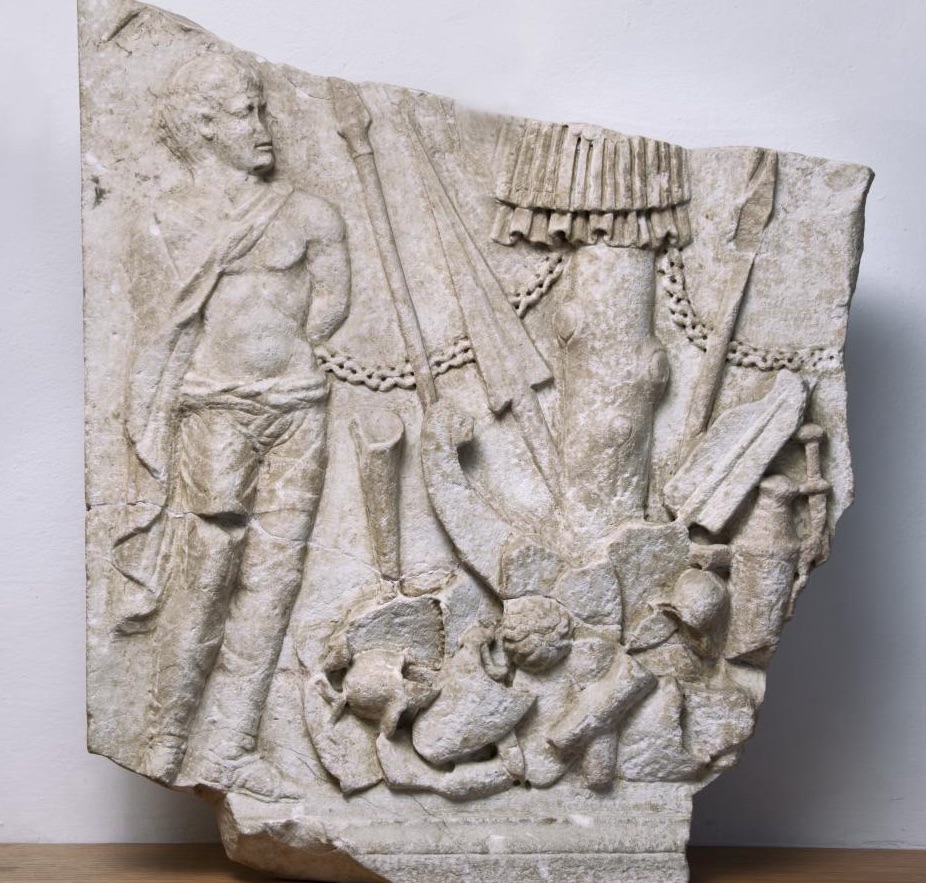
Upstairs is the antique section with the beautiful Costantini Collection, the buccheri vases, the numismatic section and sculptures, coming mainly from the Roman era; finally, the underpass and the new wing of the Museum are dedicated to the Lombard section.
THE THEATRE – Built between the 1st century BC and the early 1st century AD, the Faesulae theatre contained up to 3,000 people.
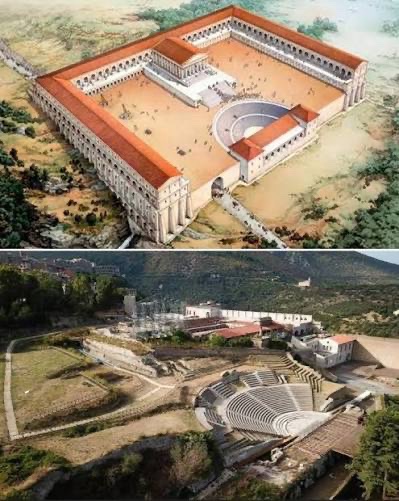
It is one of the first signs of the reconstruction of the Etruscan city according to Roman standards, and testifies to the city’s advanced level of development at that time.
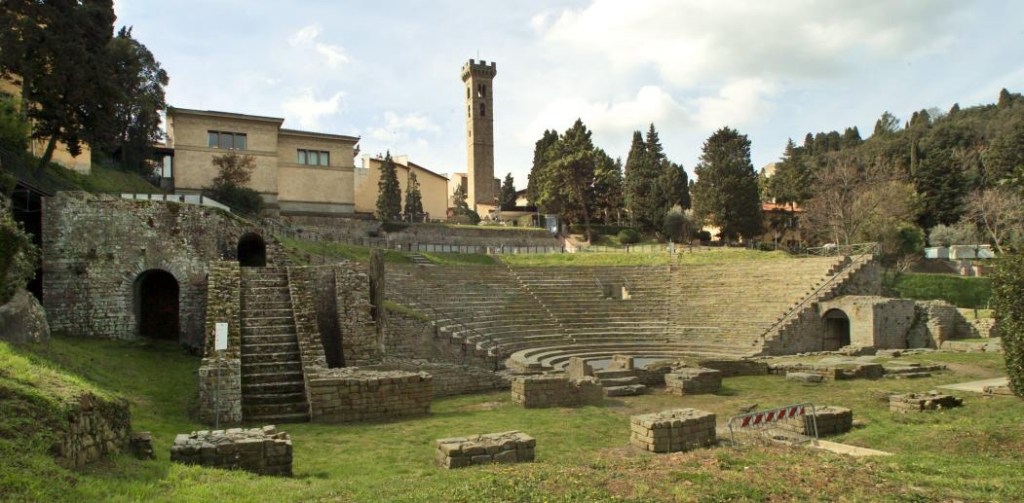
The Romans only began building monumental theatres around the 1st century BC. Before that, in fact, constructions focused primarily on buildings of immediate public use and not on entertainment venues.
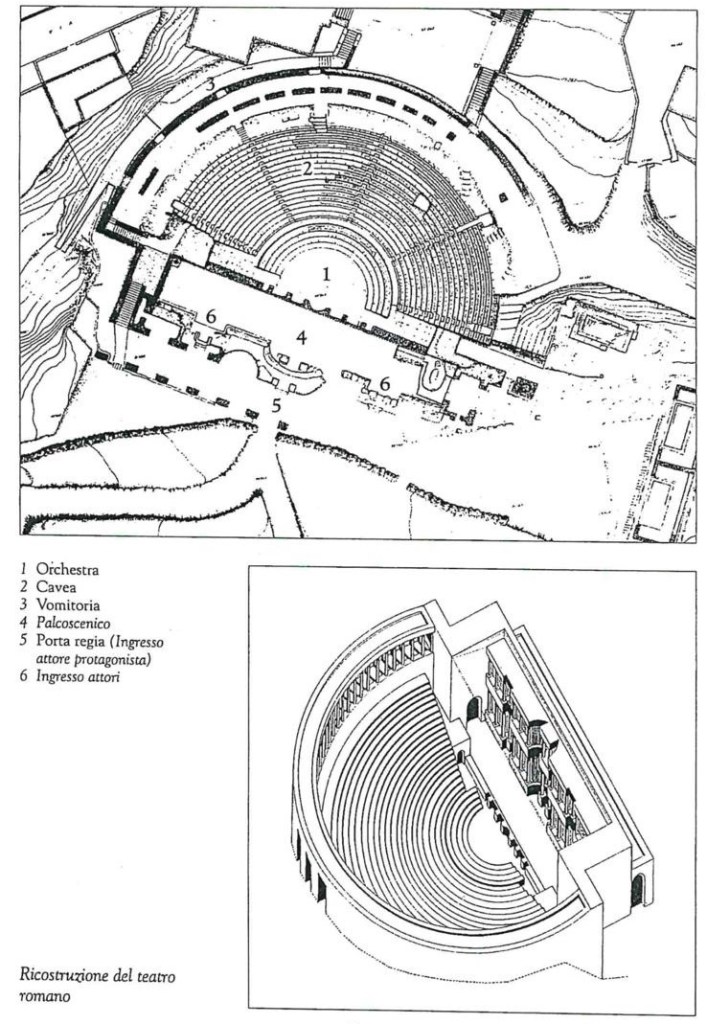
The cavea has a diameter of 34 m. The upper steps have been destroyed, while the lower ones are well preserved.
In the lower theatre, there were three tiers of seats and 19 steps (today only 10) divided by five stairways; on one side the steps were carved into the rock, and on the other side they rest on vaults supported by concentric walls.
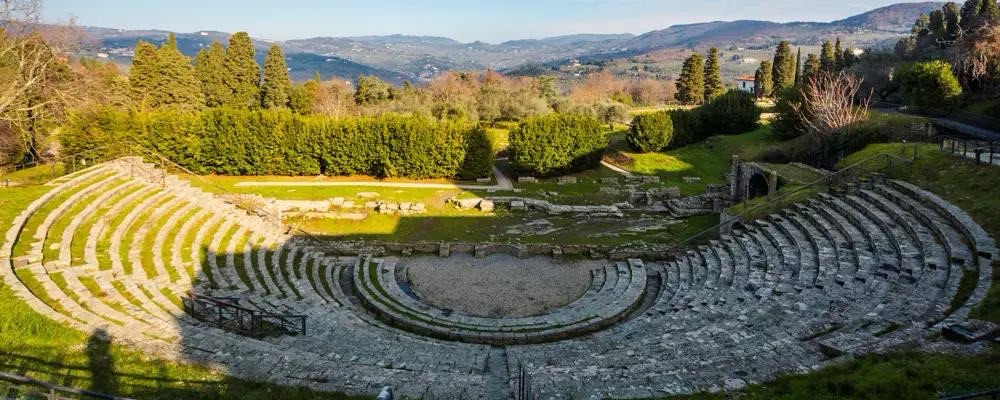
At the top of the steps were the loggias called tribunals, for the most eminent figures.
THE BATHS – The baths also date back to the 1st century BC and were restored during the Hadrian era.
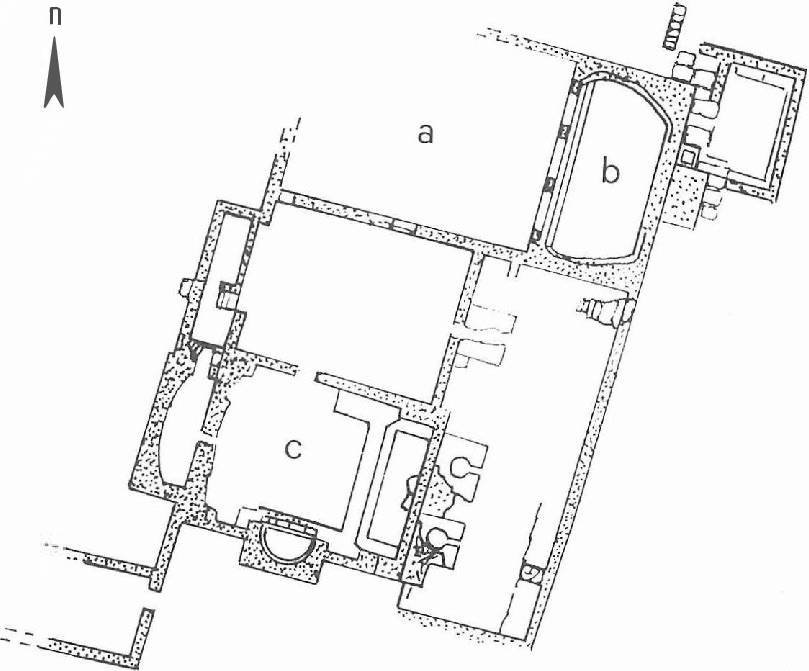
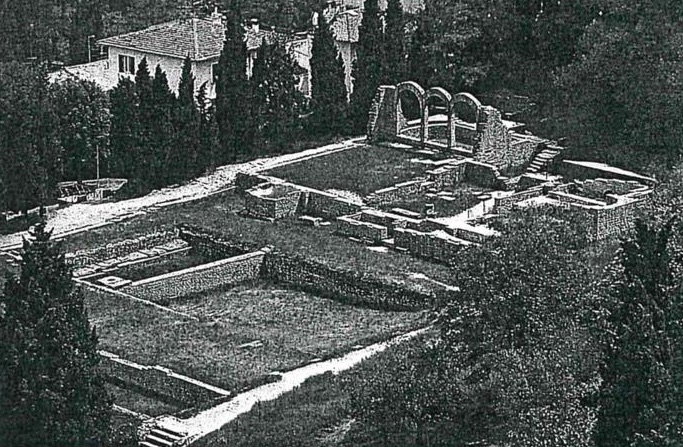
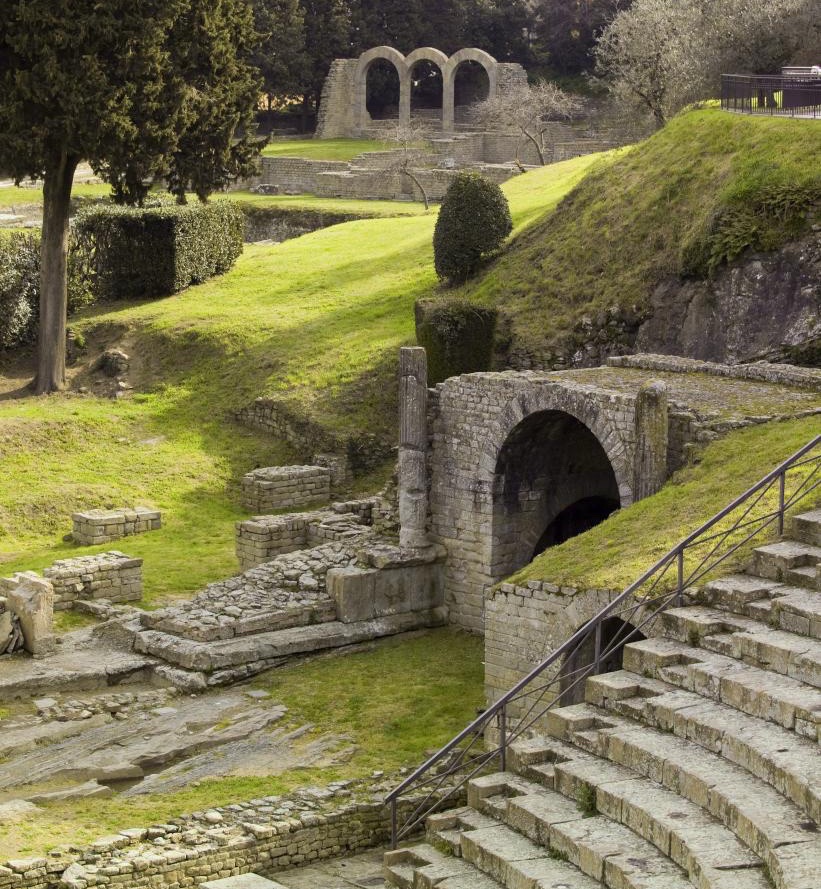
You can see part of the entrance staircase and of the monumental portico, as well as the division of the rooms typical of Roman baths.
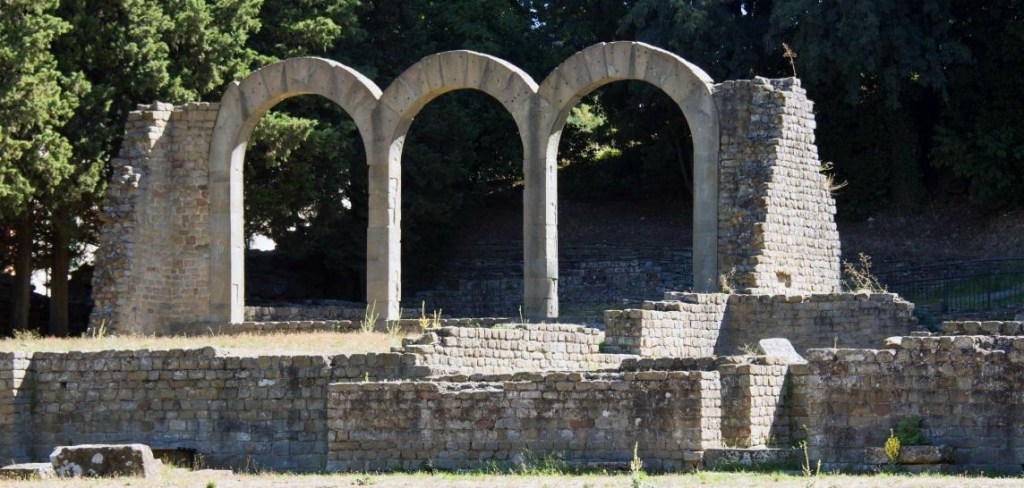
The frigidarium (separated from the other spaces by the three arches visible today, a reconstruction from the early excavation phases), the calidarium (the pool is clearly recognizable and the heating system with raised floors can be seen, as well as part of the reconstructed ovens), and the tepidarium between the two.
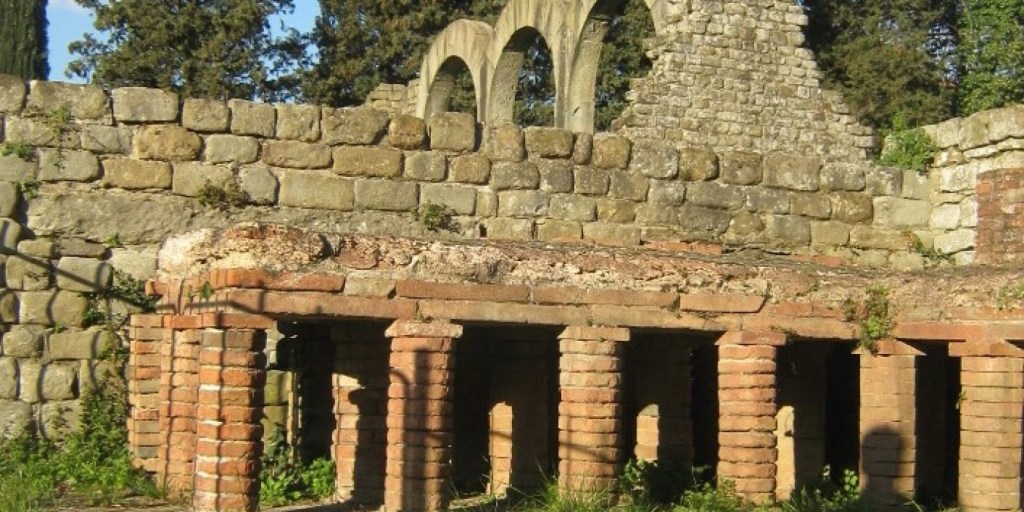
THE ETRUSCAN-ROMAN TEMPLE – The sanctuary’s wall structures are one of the most tangible and eloquent testimonies to the Romanization of Faesulae in the 1st century BC.
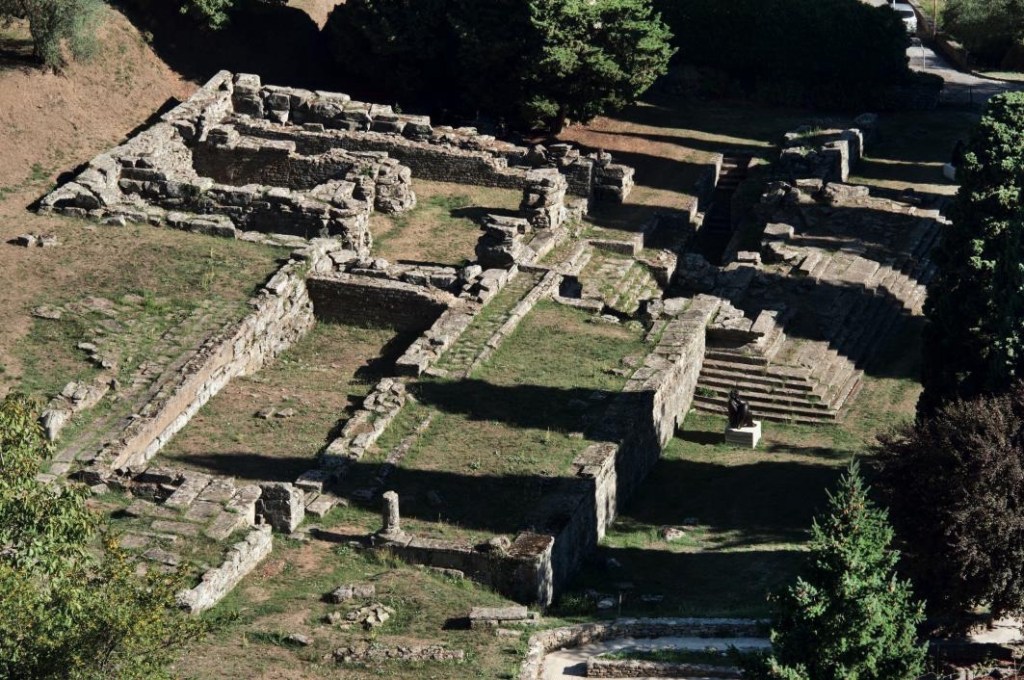
The original Etruscan temple dates back to between the end of the 4th century BC and the beginning of the 3rd century BC; it had a rectangular plan, with a single central chamber and two lateral wings. It was dedicated to a healing deity, as attested by numerous votive offerings found.
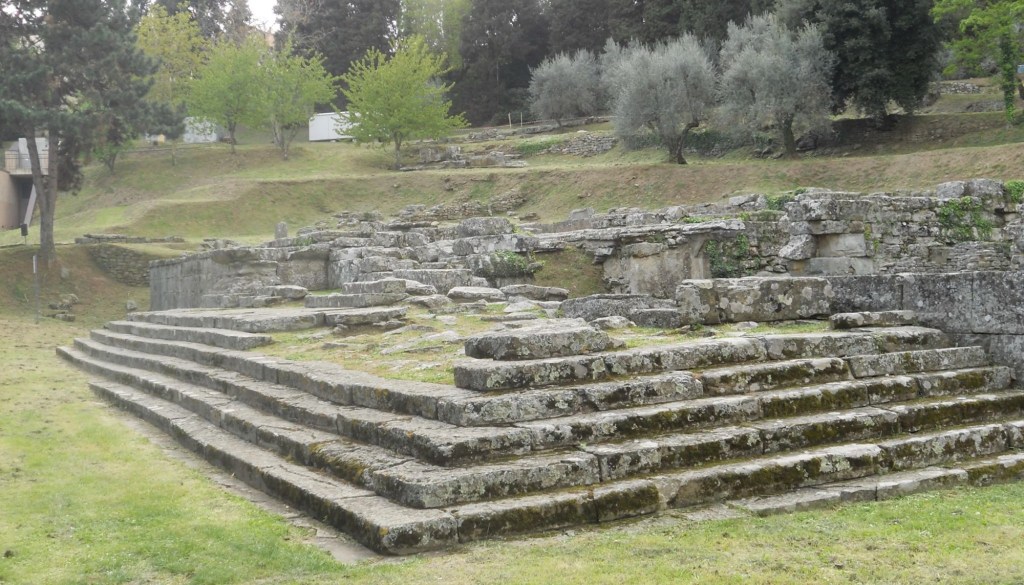
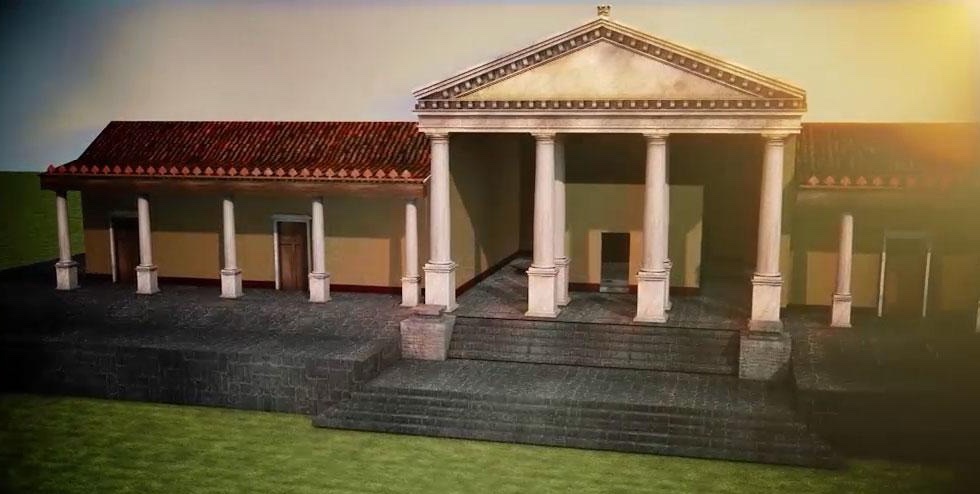
The imposing Roman structures, with their monumental staircase, high base supporting a colonnaded portico, and large cella, overlap and incorporate the remains of the older temple the Etruscan city.
During the 1st century BC the Etruscan temple was destroyed and a new one was built on its ruins.
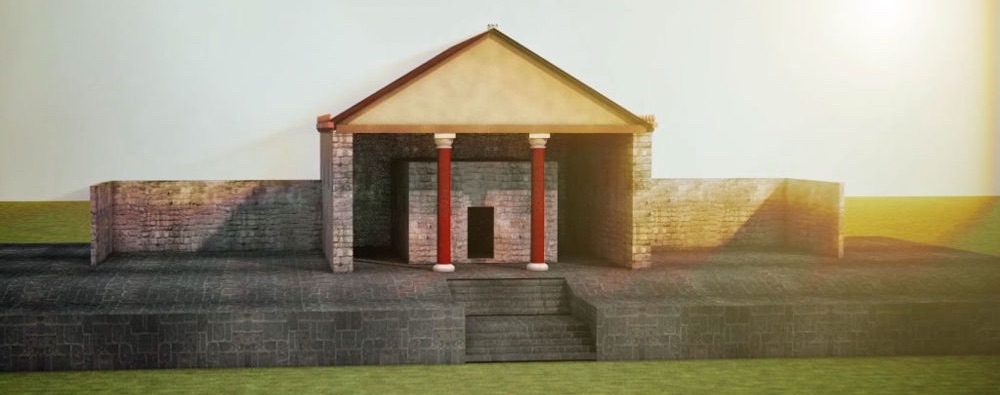
Etruscan temples used wood, mud brick, and terracotta with half-podium and unfluted Tuscan columns only at the front
It borrowed the raised position and rectangular plan from the previous one but with different proportions (the cella, for example, is divided into three parts, suggesting that the temple was dedicated to Jupiter, Juno, and Minerva). There was a sandstone colonnaded podium at the front, accessed by a staircase that, at a casual glance, almost appears to be a natural element.
History and Roman Legacy
Faesulae was an important Etruscan settlement, likely founded in the 9th century BC, with Iron Age origins. Its original name was Viesul, Viśl or Vipsul. By the 4th-3rd centuries BC the city was a major power in northern Etruria and part of the Etruscan confederacy.
The Etruscans were Italy’s first great civilization. They flourished in central Italy between the 8th and 3rd century BC.
Fiesole fought alongside the Romans in the Battle of Cannae (Second Punic War) against the Carthaginian army led by Hannibal. Nevertheless, this prosperous city later opposed Rome during the Social War (around 90 BC), when it joined a federation of Italian tribes aiming to contain Roman power.
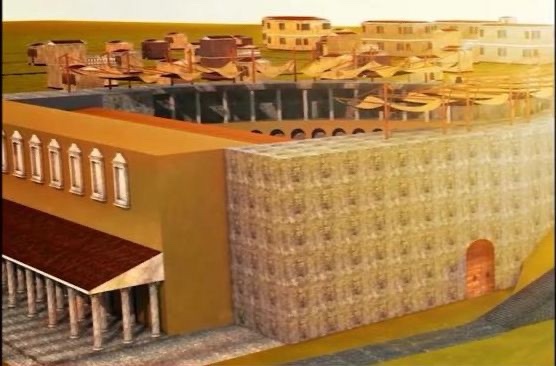
Rome won the Social War and in 90 BC Fiesole was ravaged by the consul Lucius Porcius Cato in retaliation. Nevertheless Faesulae (like many other cities in Etruria) was granted Roman citizenship and it became a municipium.
In 80 BC, the Roman general Sulla punished Faesulae for siding against him in the civil war against the populares of Gaius Marius, expropriating it of large swathes of land, which he divided among the veterans of his victorious army.
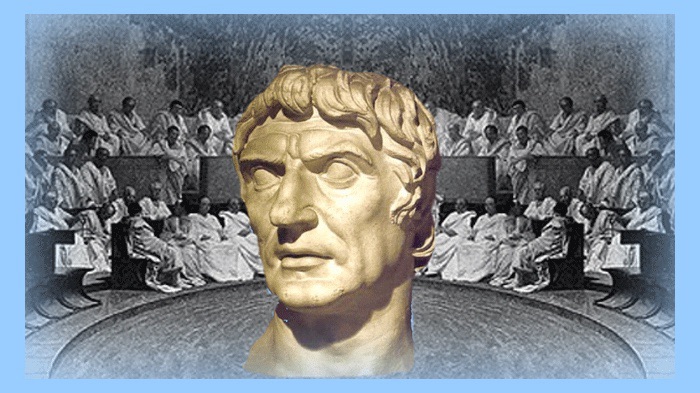
(138–78 BC) the Roman general and statesman in the late Roman Republic who won Rome’s first major civil war and enacted major constitutional reforms to strengthen the Senate
He therefore deduced a real colony, so that, at a certain point two Roman “cities” coexisted in the territory of Fiesole, one of Etruscan origin and Romanized, the other of original Roman foundation.
The colony was decimated following the revolt of the Fiesolans in 78 BC and then reduced again due to the losses suffered in the battle of 62 BC, so it was gradually absorbed by the municipium.
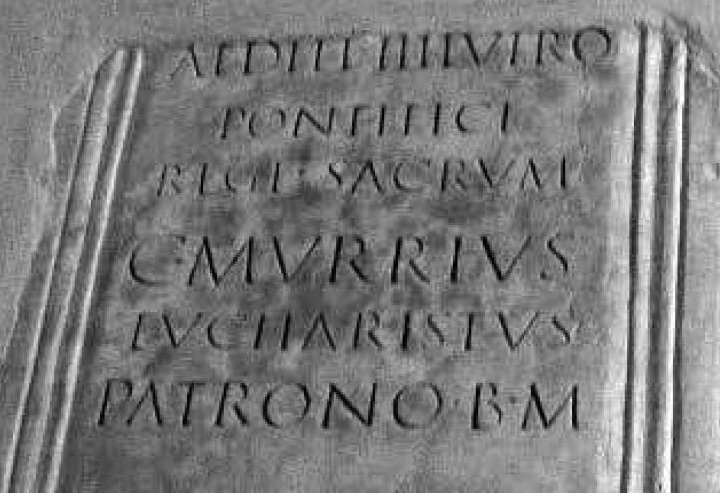
The inscription of magistrate C. Murrius, who held the positions of quattuorvir and rex sacrorum in Fiesole proves the persistence of the municipium of Faesulae into the Imperial Age
Thus, Etruria, and especially the Fiesole area, became fertile ground for revolutionary agitation. Faesulae gained prominence during Catiline’s conspiracy, serving as the conspirators’ capital (see the next section).
The city saw its decline after Catiline’s defeat in 63 BC.
Florence’s foundation, shortly after (59 BC), was a Roman move to decrease Fiesole’s significance. Over time, Fiesole steadily lost its economic and political importance to rival Florence.
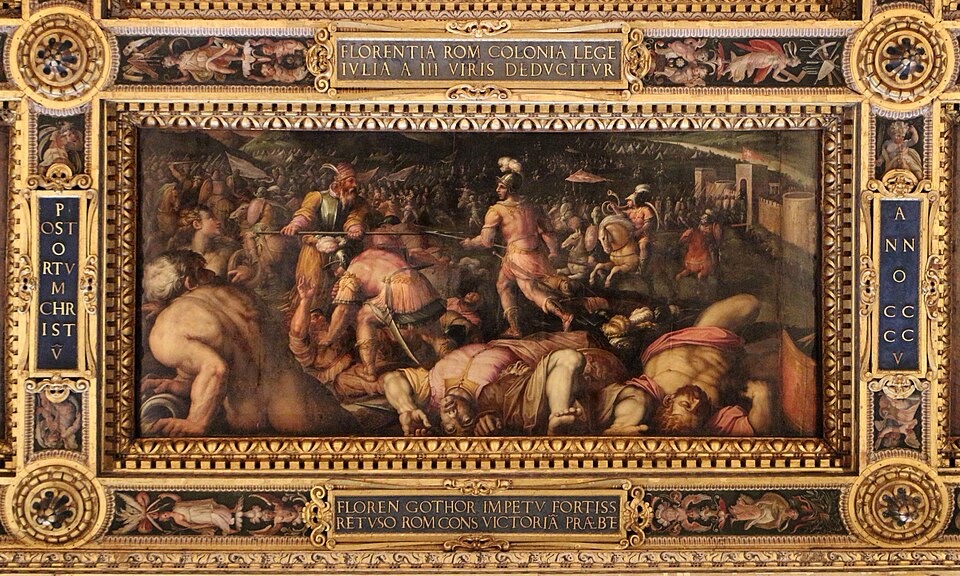
In 405 AD near Fiesole the Roman general Stilicho defeated the Goths led by Radagaisus who attempted to escape but was captured and beheaded. His soldiers were partly recruited into the Roman army (for a total of 12,000) while the rest were reduced to slavery. According to a legend, Radagaisus ordered to hide his enormous treasure by burying it under the near Montereggi (Kings Mountain).
Following the Gothic War, Fiesole faced the invasion of the Lombards in 568 AD. Their domination left rich archaeological evidence, including the necropolis.
Ancient Rome Itinerary
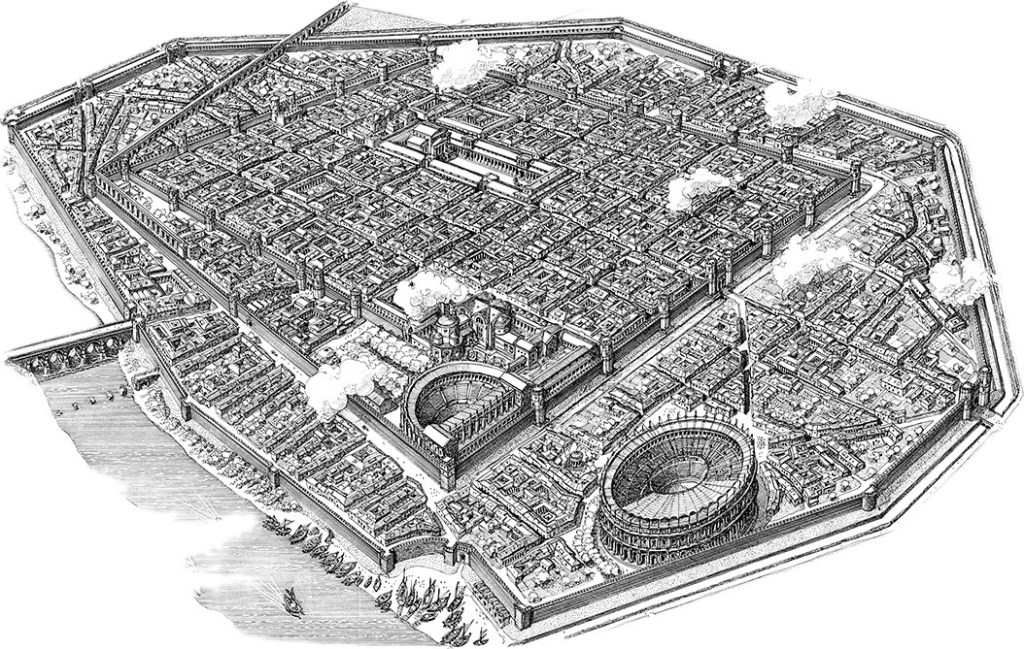
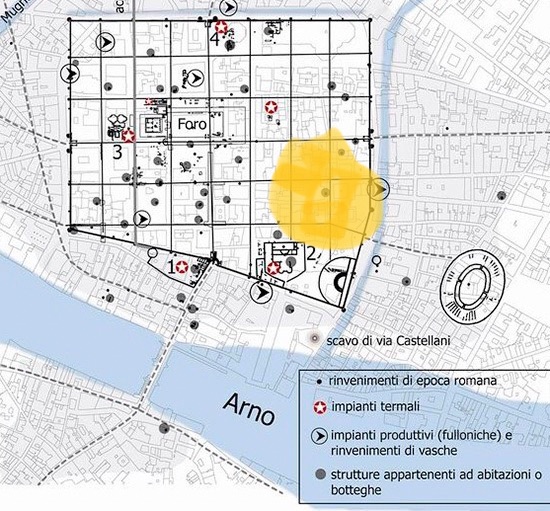
FLORENCE – The Etruscans founded the nucleus of what later became Florentia: they called it Birent or Birenz (land between the waters) since the Arno River and its tributaries, the Mugnone and the Affrico, often created marshes in the plain. The Romans called it Florentia probably as a tribute to Flora, goddess of spring, flowers and the perpetuation of life, as well as prostitutes. The Roman colony of Florentia was founded in 59 BC by Julius Caesar. The actual layout of the city and the centuriation of its territory date back to the Second Triumvirate (around 20 BC) and they were promoted by Octavianus in order to accommodate veterans through the assignment of land.
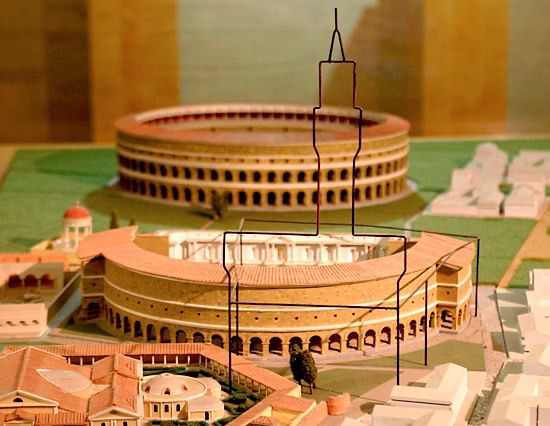
Santa Reparata – The archaeological area of the Church of Santa Reparata, beneath Florence Cathedral of Santa Maria del Fiore, also known as the Duomo, was opened to the public in 1974, after approximately ten years of excavation.
Enter the Cathedral from Porta del Campanile (south): between the first and second pillars on the right side of the central nave, a staircase leads to the visit route of the archaeological remains of the ancient Basilica of Santa Reparata. Few visitors venture into the underground area which houses this museum unless when visiting the subterranean gift shop. A combination ticket (Ghiberti pass) allows to visit the museum with the statues of Santa Maria del Fiore, the campanile, as well as this specific museum.
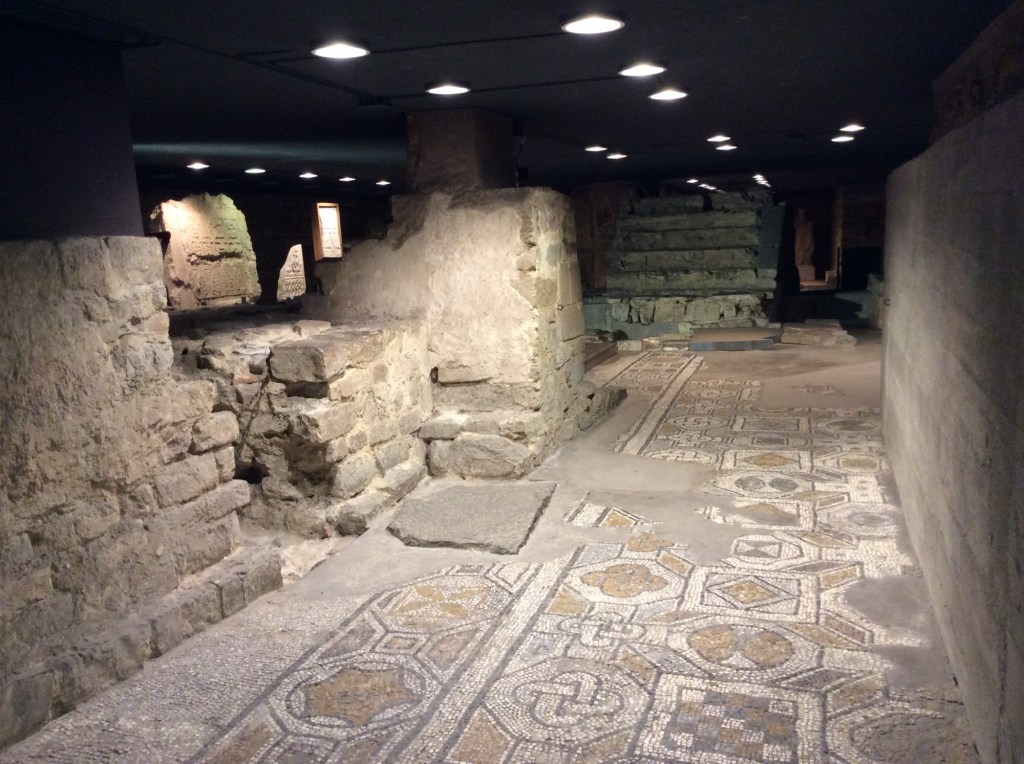
Three main chronological levels of reconstruction and enhancement to Santa Reparata (a young virgin martyr from Caesarea in Palestine, co-patron saint of Florence) were rediscovered, respectively representing the 5th, 9th, and 11th centuries.
Once in the crypt, you will be intrigued by the appearance of the church as an archaeological site. The museum has a central space dividing the exhibit into a middle, right, and left section.
The left section is the most comprehensive with a raised walkway over archaeological architectural elements encompassing all three centuries of development phases.
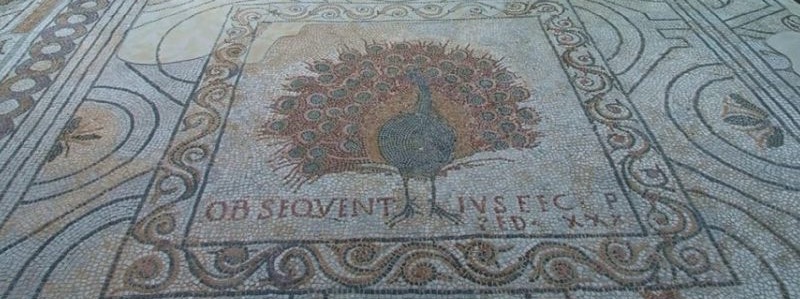
The new exhibition itinerary follows a chronological sequence from the 1st century AD, it goes from the Roman remains of several domus which predate the church’s construction, to its foundation in the Early Christian era.
Santa Reparata was among the largest churches in the early medieval Tuscan region: 50 metres long and 25 metres wide, with a basilica plan of three naves. The church was named after Santa Reparata because on October 8th (the day dedicated to this Greek saint) in 405 AD the Florentine Romans repelled the siege of the Goths led by Radagaisus (see previous section).
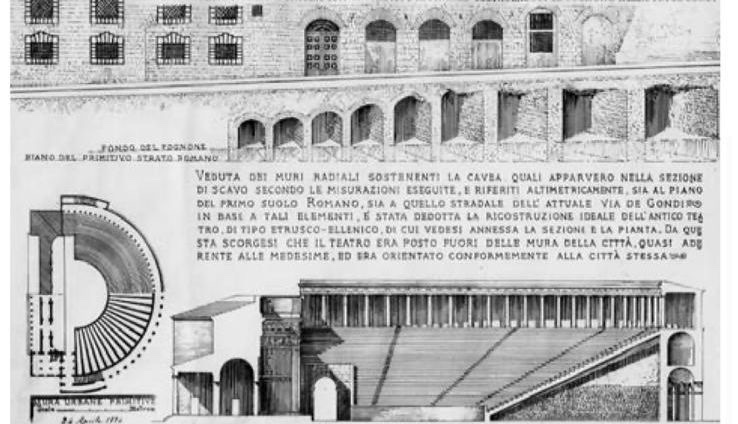
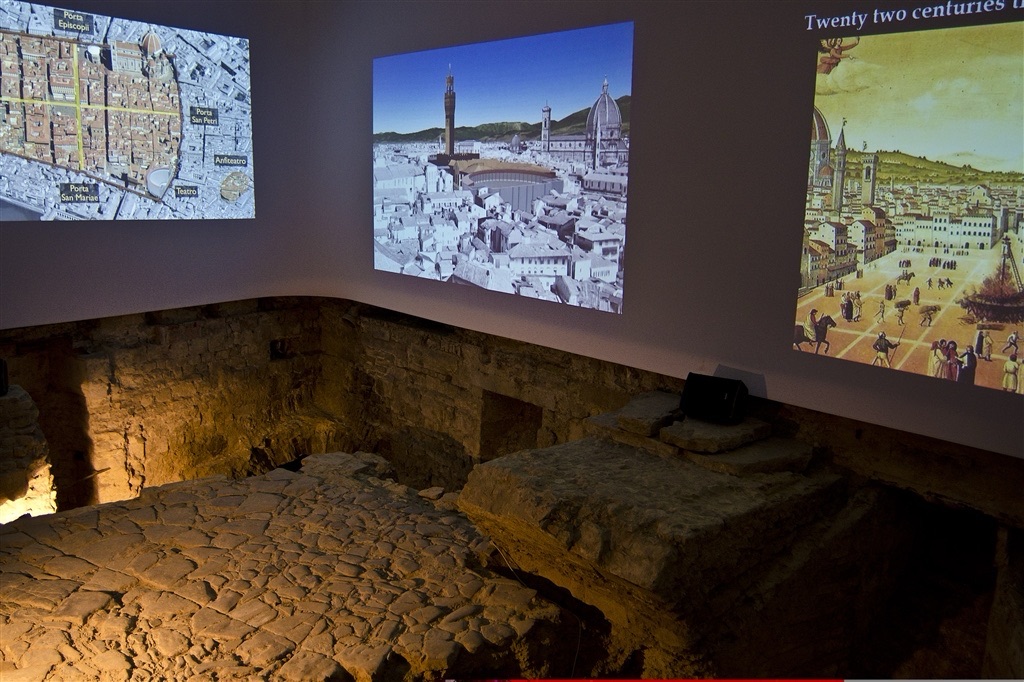
Theatre – In Piazza della Signoria the imposing Palazzo Vecchio rises above the ruins of the ancient Roman Theatre of Florentia.
The visit is usually possible only in weekends and requires a reservation (info@musefirenze.it | +39055-0541450).
Descend a few steps and you’re transported back to the past! The structure had a capacity of approximately 10,000 people, with an external diameter of 100 meters; the cavea faced Piazza Signoria, while the stage faced Via de’ Leoni.
Built after the founding of Florentia, the Roman theatre was expanded at the beginning of the 2nd century AD, coinciding with the considerable population and urban growth of the Imperial era.
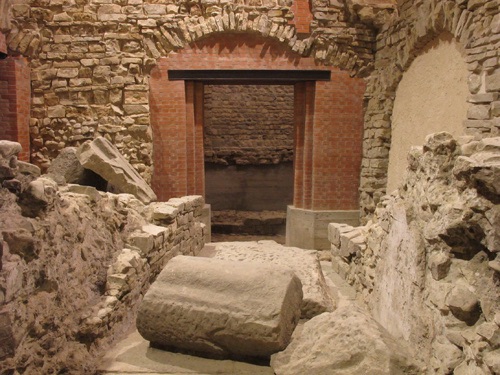
Unlike the Amphitheater, which was located in the Santa Croce area, it was used primarily for prose performances until the 5th century.
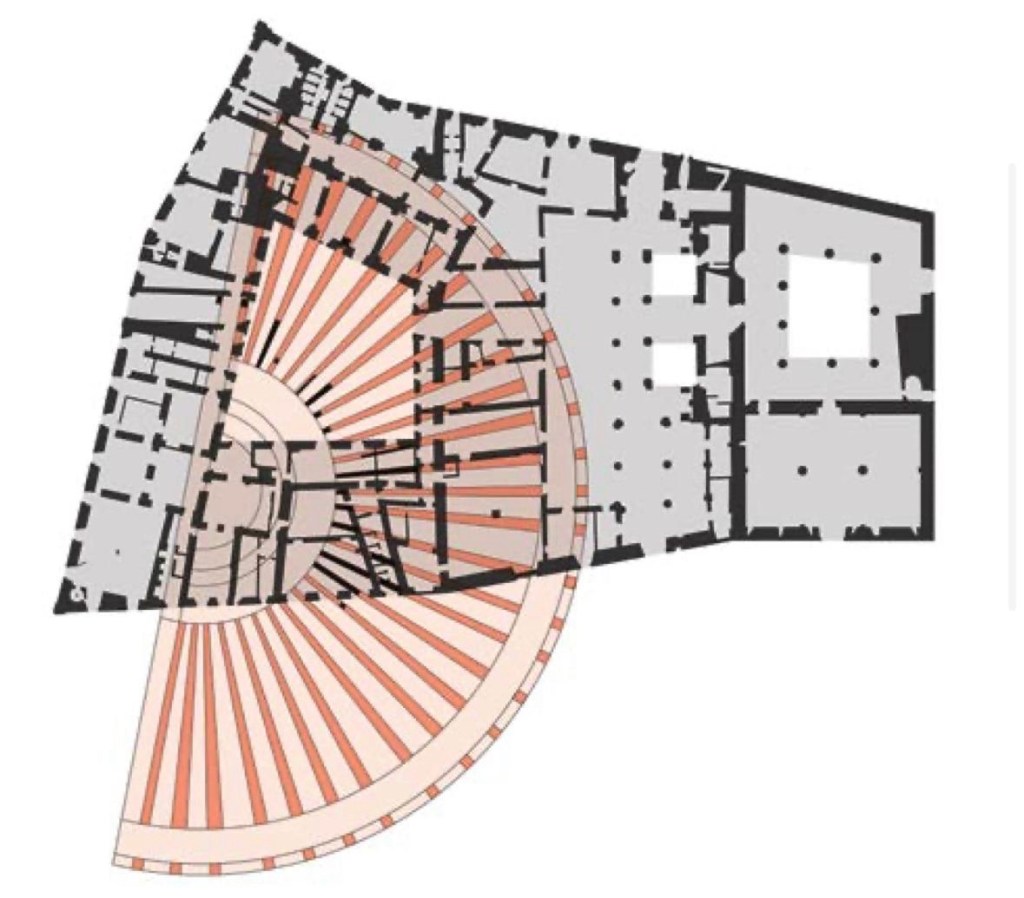
From then on, its decline began with the spoliation of various materials and the reuse of some spaces, such as the burelle, the radial masonry corridors beneath the cavea that became warehouses.
The Archaeological Museum – The National Archeological Museum of Florence, located in Palazzo della Crocetta in Via Gino Capponi, 2, displays treasured Etruscan and Roman artifacts from excavations in Tuscany, and beautiful Egyptian and Greek collections.
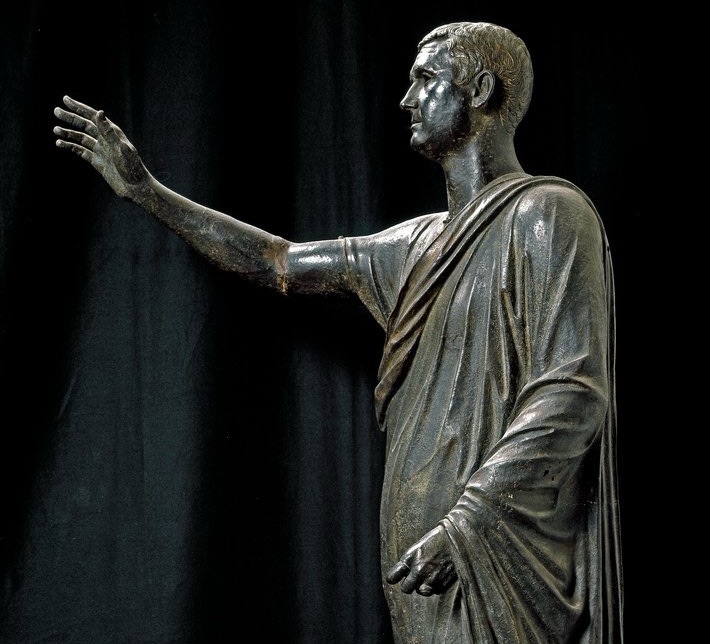
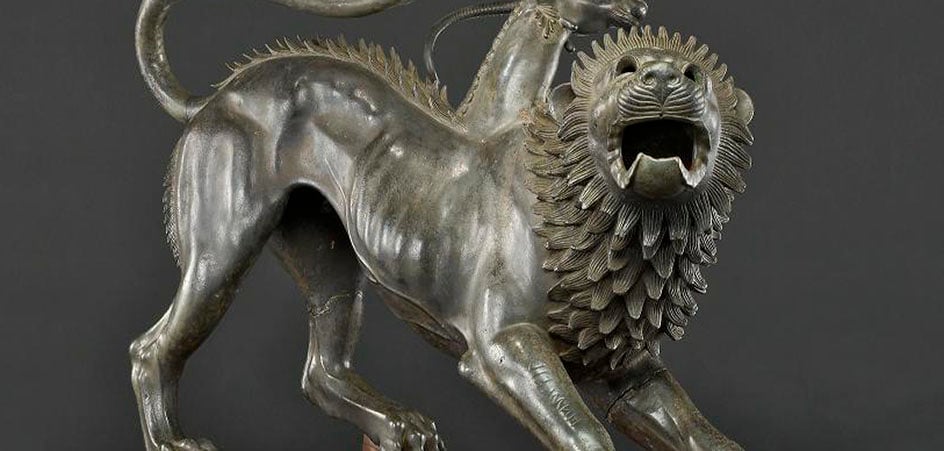
In the Etruscans section you can admire the Chimera of Arezzo, one of the most famous works of Etruscan art, a mythological bronze figure, and the Arringatore, a statue from the 1st century BC that presents an Etruscan nobleman dressed in a Roman toga.
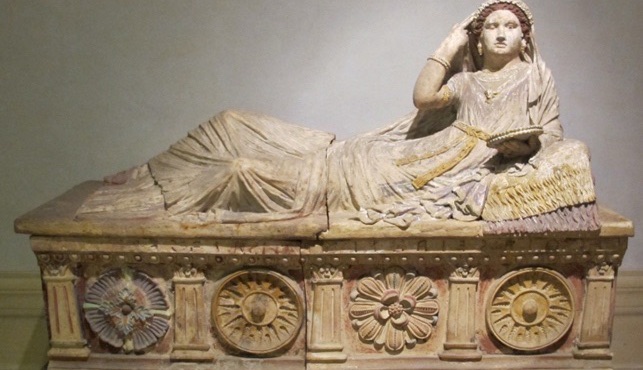
The museum also houses the Etruscan bronze Minerva of Arezzo, the Greek Sarcophagus of the Amazons and Larthia Seianti’s sarcophagus, a colored terracotta work from Chiusi displaying a noblewoman as she adjusts her veil.
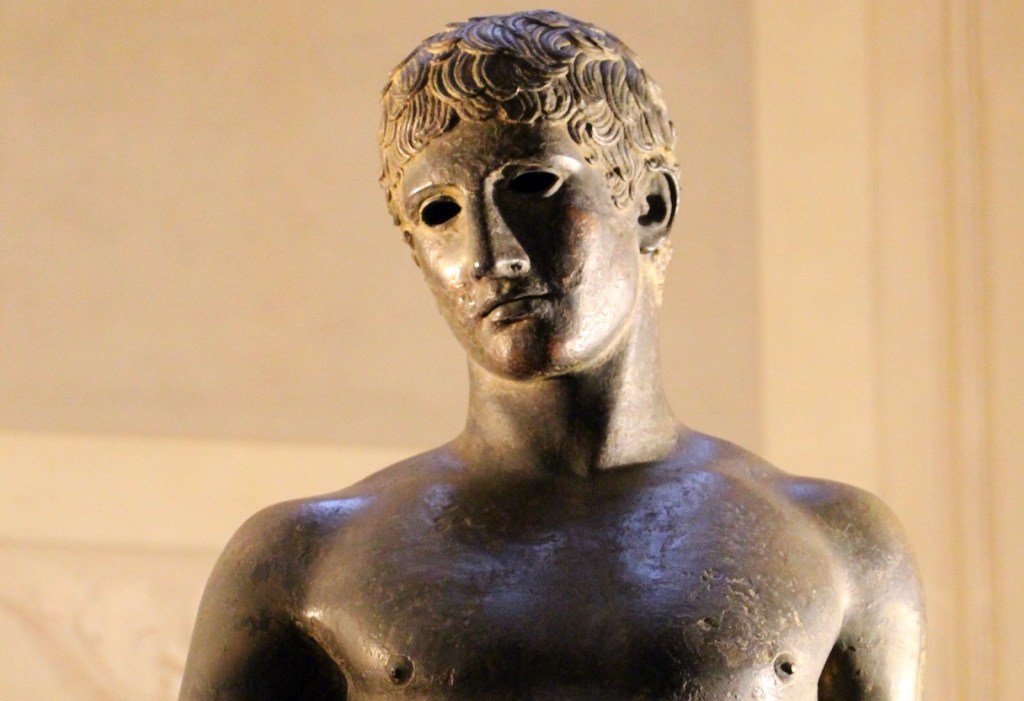
The most important Roman artefact is the Idolino of Pesaro, a statue 146 centimeters tall that is a copy from the early Augustan age of a classical Greek original from the 5th century AD, possibly by Polykleitos. It is a fully sculpted nude boy, one of the finest examples of the “idolini” type, used as lampholders during banquets.
The museum’s garden features Etruscan tomb reproductions, including the Inghirami tomb in Volterra vaunting its original alabaster urns.
CAMPI BISENZIO, THE BONFIENTI MUSEUM – Campi Bisenzio, east of Florence, hosts the Bonfienti Museum in the monumental complex of Rocca Strozzi.
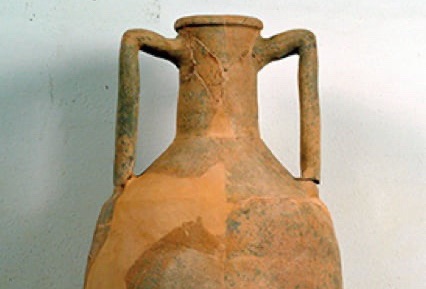
The Roman age room is dedicated to roads and it houses fragments from the 1st century BC, found near the route of the ancient Via Cassia Clodia, at the point where the ancient map show the presence of the rest station of Solaria.
‘Fun Fact’, Catiline v. oligarchy
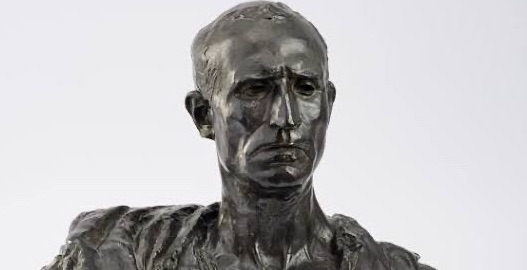
Catiline, born in 108 BC, was an aristocrat but he is famous for his failed attempt to overthrow the oligarchy that governed the late Roman Republic. He had served under Pompey’s father in the Social Way and he had been a zealous participant in Sulla’s proscriptions but then he was prosecuted for extortion and he turned against the State by plotting a conspiracy that had Faesulae a its capital.
His followers included Sulla’s veterans in financial difficulty, impoverished nobles, proletarians, and dispossessed laborers, all dissatisfied with Rome’s political and social structure.
Faesulae was resentful towards Cornelius Sulla and the Roman Senate because it had been punished for its support of democratic consul Papirius Carbo (close to Sulla’ great rival Marius) with the seizure of land and the creation of a colony for veterans on its territory.
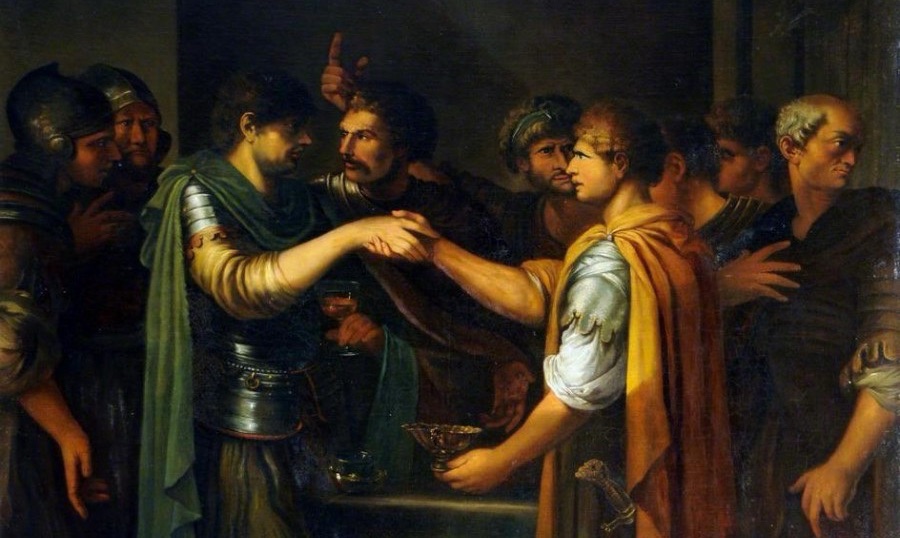
The conspiracy emerged when Cicero, who had been elected consul over Catiline, was informed of the plot by a conspirator who defected. The famous orator ordered the arrest of several conspirators, leading to their execution.
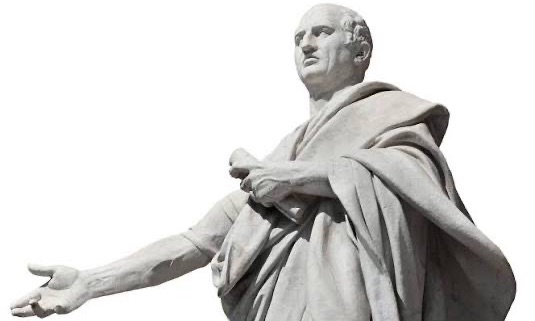
Manlius, a former centurion of Sulla who helped Catiline organize the revolt in Etruria, launched the armed phase of the conspiracy from near Fiesole on October 27, 63 BC.
Catilina had just been publicly unmasked by Cicero in Rome. “How much longer, Catiline, will you abuse our patience?“, is the famous opening line of Cicero’s First Oration in which he fiercely denounced Catiline’s conspiracy to overthrow the Roman Republic before the Senate. It was a powerful rhetorical question demanding an end to Catiline’s treacherous acts against the State, setting the tone for Cicero’s scathing attack.
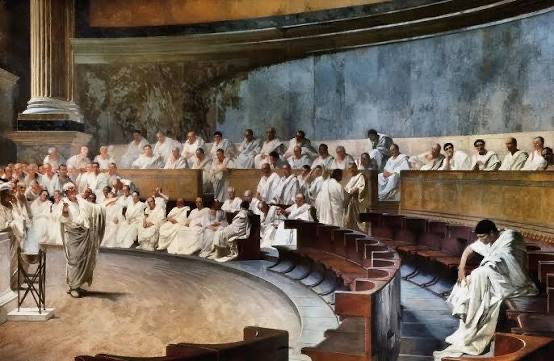
Cicero Denounces Catiline, fresco by Cesare Maccari (1882–1888)
Catiline fled the capital on the night of November 8–9 to personally join the rebel forces awaiting him near Fiesole. The two men were immediately declared public enemies and he consuls were instructed to enlist troops.
The decisive battle took place north of Pistoria (today Pistoia, in Tuscany) in the early days of 63 BC, probably The most reliable in the area of Campo Tizzoro, in the Apennines, in a small flat area enclosed by the mountain spurs between the Reno and Maresca streams and the Bardelone.
After an arduous march with the remains of his army, around 3,000 men, Catiline found the route blocked by Quintus Metellus Celer and three legions.
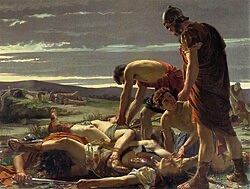
Faced by Metellus, Catiline turned back towards Pistoria where he was met by the soldiers of the inept Antonius Hybrida who handed over his command to an experienced subordinate, Marcus Petreius. Manlius was among the first to fall and when Catiline saw that all was lost he charged and fell fighting to the end. His troops had held their ground almost to a man and Sallust reports that Catilina was found dead in the midst of Antonius’ forces, far forward of his own soldiers.
Historians are still divided on Catiline’s motives and the seriousness of the threat he posed. Many sources were heavily biased against him and demonised him in the aftermath of his defeat.
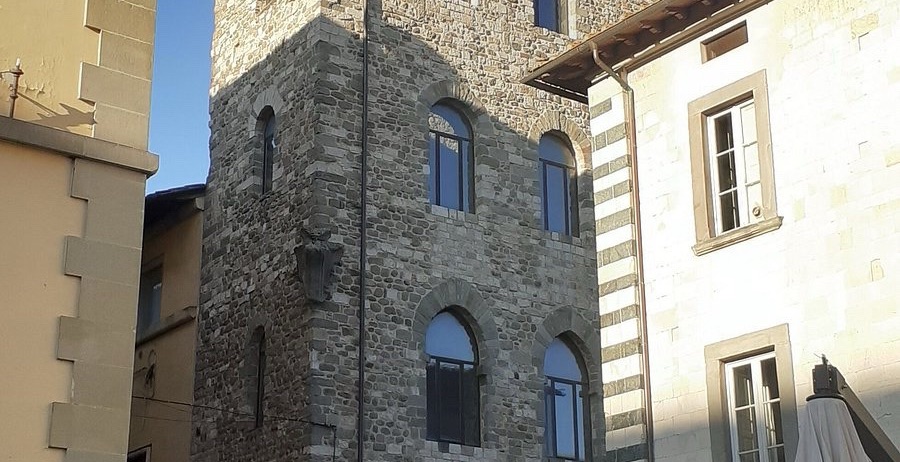
Catiline was bold and naive, generous with his friends and contemptuous with his enemies. As Sallust wrote, his “vast mind always ran towards the immeasurable, the incredible, the unattainable”.
Useful Informations
The Archaeological Museum of Fiesole is located in Largo Fernando Farulli, 1. You can get there by bus from Florence (number 7 and get off in Fiesole, Piazza Mino – Info and timetables on www.at-bus.en). From the bus stop, cross the street and go to Via Portigiani/Via Dupré, right behind the Cathedral. The ticket office is at the croassroads. By car from the motorway A1: take the exit “Firenze sud” and follow the directional road signs to Fiesole.
Our Tabernae – Where to Eat
OSTERIA VINANDRO – Typical Tuscan cuisine in this charming small osteria.
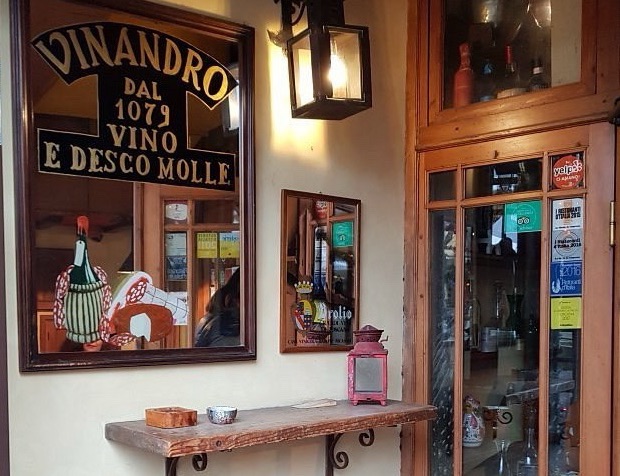
Piazza Mino da Fiesole, 33 – +39 055 59121 vinandrofiesole@gmail.com
 Italy as the Romans did
Leave a comment