The ‘Must See’ – The Greek-Roman Theatre

“Never has a theatre audience enjoyed such a view”, wrote Johann Wolfgang Goethe in 1787 in his famous ‘Italian Journey’ travelogue, after admiring the Greek-Roman Theatre of Taormina, in North-Eastern Sicily. It is impossible to disagree with the words of the poet when you admire the unique panorama of the Ionian Sea and Mount Etna from the cavea built by the Greeks in 3rd century BC.
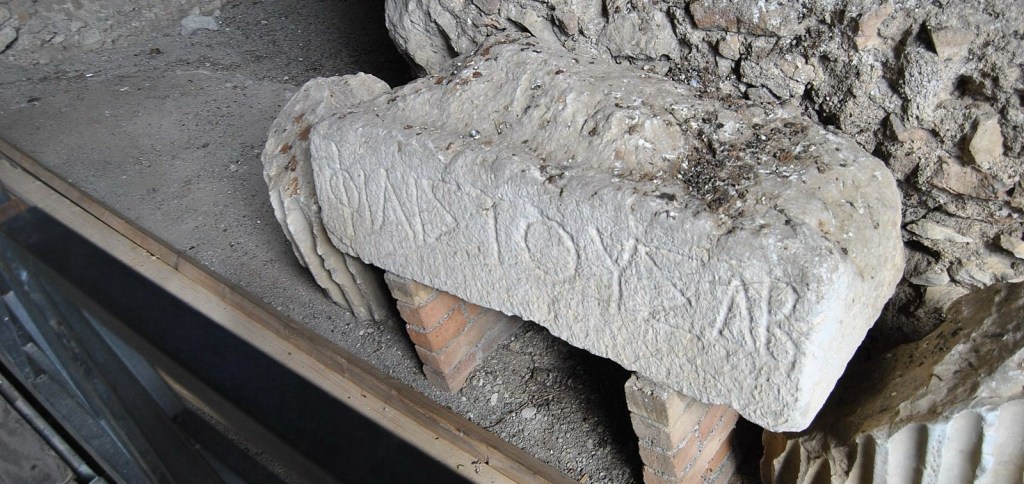
The theatre originally hosted dramatic performances or musicals. For its construction it was necessary to remove manually from the mountain over 100,000 cubic meters of rock. On some steps the name of Philistide is engraved: she was the wife of Hieron II, the tyrant of Syracuse who was at first enemy and then an ally of Rome, who ordered the construction of the theatre in the 3rd century BC.
It has a diameter of 107 metres (351 ft) and it is one of the oldest theatres in Magna Graecia to have a curved cavea, rather than the traditional trapezoidal design.
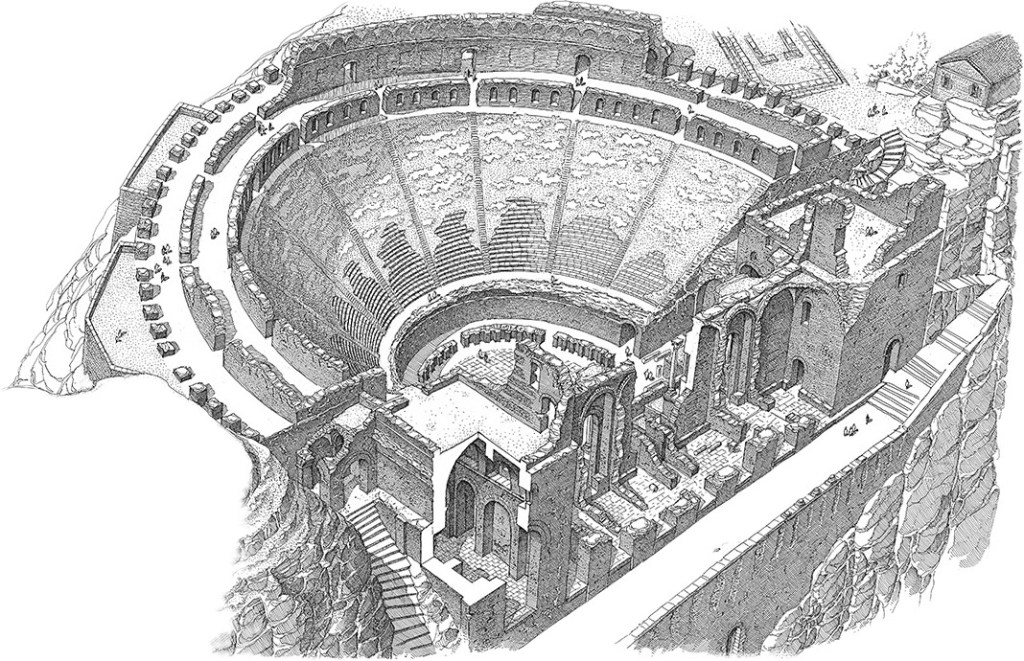
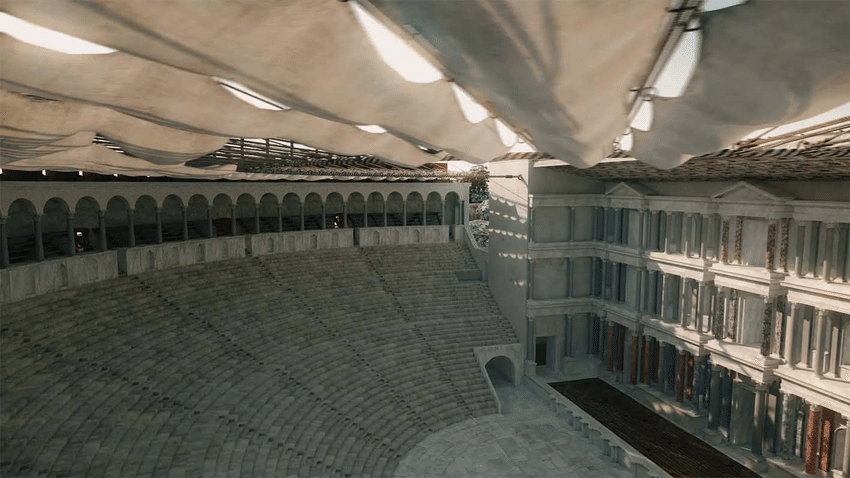
The theatre was later transformed by Romans under Trajan or Hadrian. The first intervention dates back to the first quarter of the 2nd century AD when its capacity was enlarged with the construction of an external ambulatory and the reconstruction of the entire scaenae frons. The second in 3rd century involved changes to the stage and the expansion of the orchestra to turn the theatre into an arena that could host gladiatorial games.
A ring corridor was built, closed by a raised parapet, and an underground space that was used as a shelter for equipment and animal cages.
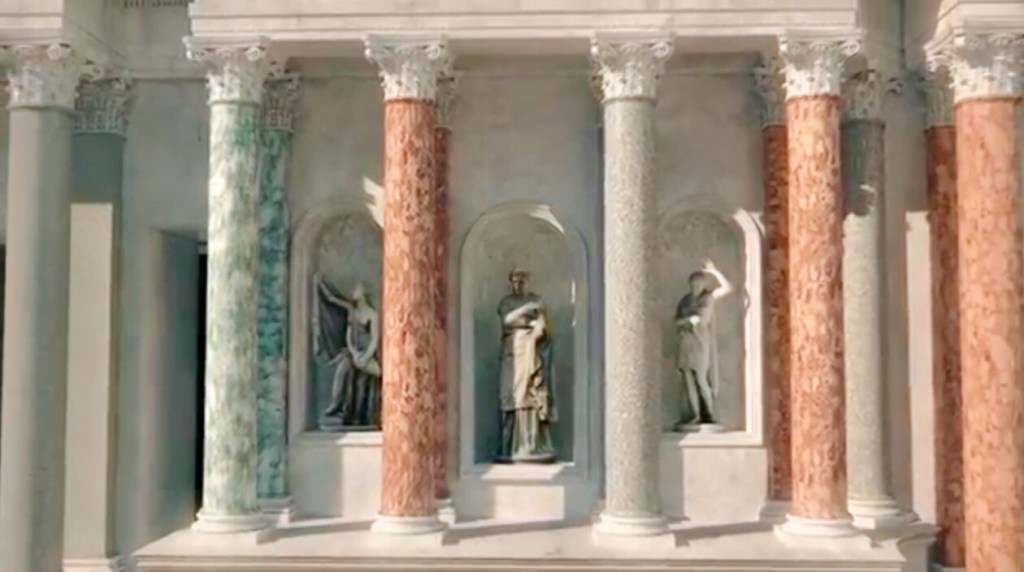
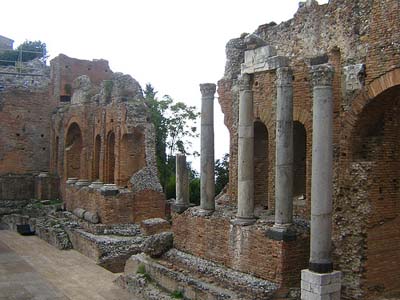
The front scene is the most important part that remains of the theatre: it preserves in part its original form but nothing is left of ornaments and columns. The first order had probably nine columns arranged in groups of three, while the second was formed by sixteen columns. It is said that these columns arrived by sea to Villagonia and they were then attached with ropes and pulled by hordes of slaves up to the theatre.
The orchestra of the theatre was the area for the musicians, but choruses and dancers also performed there. In roman age it was enlarged so that it could host other shows like gladiators fights and the stage was removed.

The cavea is all carved into the rock and could hold up to 5,400 spectators. The steps were separated into two parts; in one sitting spectators, who could also use pillows ; in the other half, slightly hollowed, people stood up to watch the show. The first rows were reserved to the authorities.
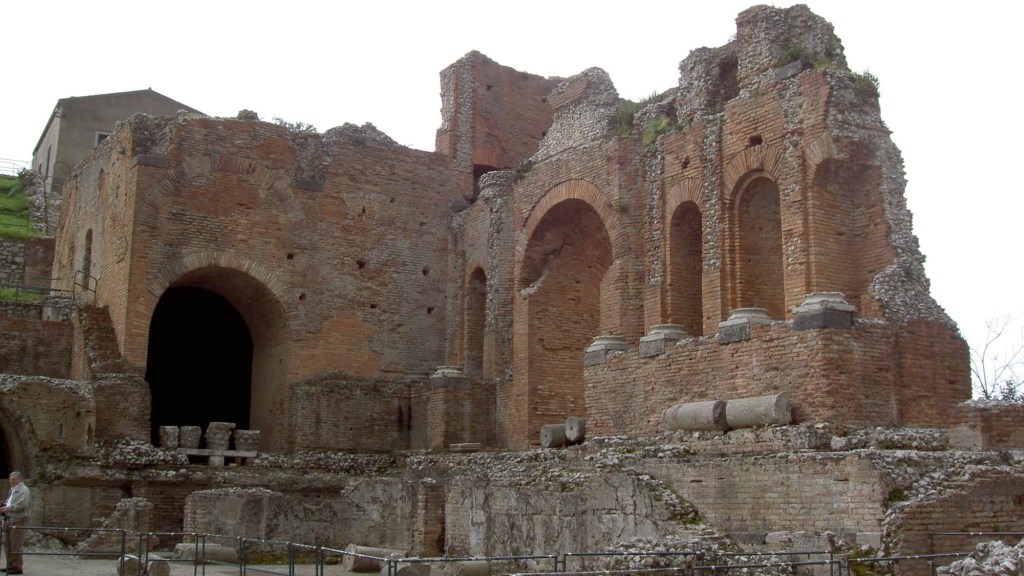
The scene retains the two lateral openings or hospitalia in the façade, while the central one (regia) has collapsed. The auditorium is divided into nine cuneiform sections served by eight stairs. The current reconstruction of the colonnades of the scenae frons came from a 19th century restoration.
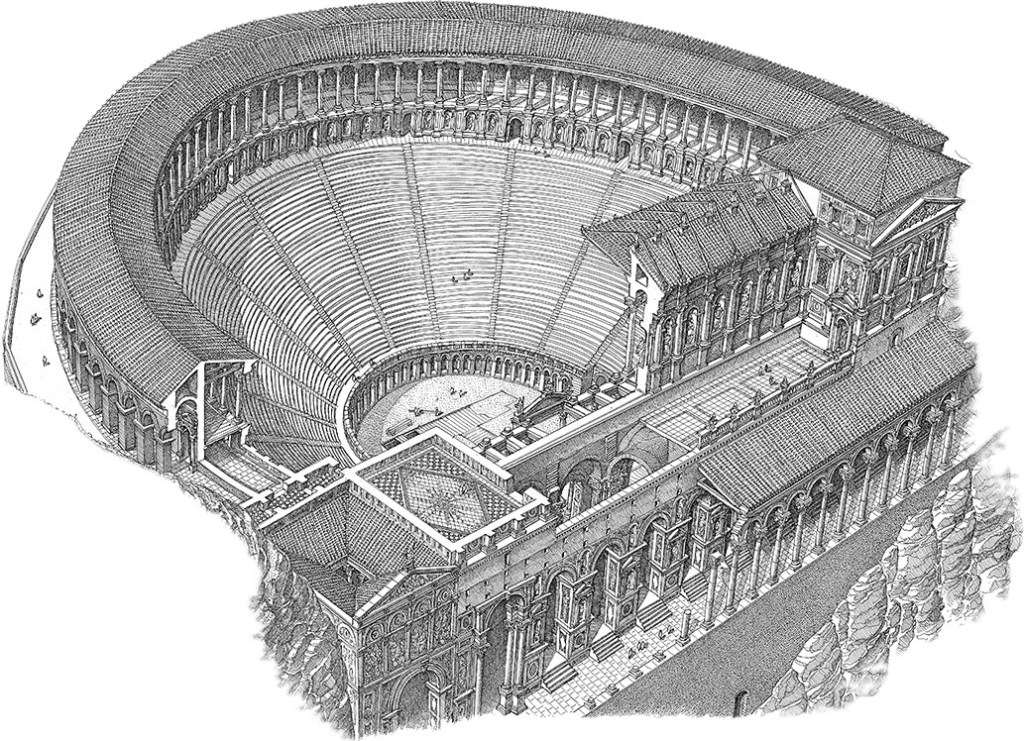
Behind the wall of the upper closure of the cavea, to increase the number of places, two large porches were built. The vaults of the arcades supported a terrace each. The first porch supported the lower terrace, divided into several rows of wooden seats reserved for women, while the arc of the second porch, on the highest terrace of the theatre, was without fixed seats and hosted the humble people.

The stairs – The scale step made three turns and narrowed as it rose. There were three doors to enter the auditorium: the first was for authorities and important people, the others were further up.
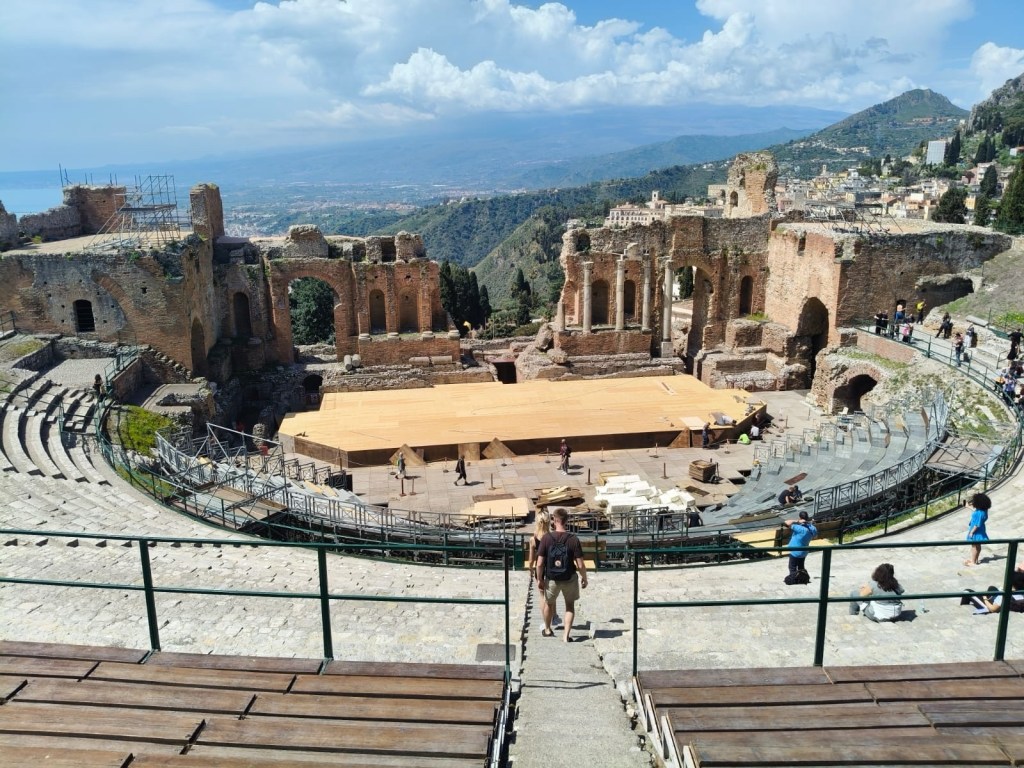
Since the 50s of last century the theatre hosts ceremonies and various forms of entertainment including concerts, symphonies, operas and ballets.

A final tip: from the theatre you can take the Goethe path which descends towards the sea. Its name reminds the walk on 7 May 1787 by Johann Wolfgang von Goethe who came here from Catania with a friend, designer Christoph Heinrich Kniep.
History and Roman Legacy
The history of Taormina is fascinating and mysterious. In 358 BC, the Siculians who had settled on Mount Taurus welcomed the survivors of the Greek colony of Naxos. Allied with Athens in the campaigns against Syracuse, in fact, Naxos was razed to the ground by order of Dionysius of Syracuse after the defeat of the Greek capital.
Together they founded Tauromènion and they gave it the typical aspect of a Greek colony, with the agora, the acropolis and the Ancient Theatre. The city was later annexed to the Hellenistic Kingdom of Sicily until the Romans declared the whole of Sicily a Roman province.
Tauromenium, to avoid being destroyed and sacked like Syracuse, began a policy of friendship towards Rome and, in 212 BC, submitted to it. Emperor Augustus made Taormina a Roman colony, deporting many of its inhabitants from the city and populating it with Roman families. Attracted by its beauty and mild climate, many consuls who retired from public life chose it as their new home. Some illustrious Roman families built luxurious villas near the sea to reside there permanently.
The quarter of Spisone took its name from the Pisones family of the Calpurnia people; Jalia Bassia street took its name from the matron Julia Basilia; the Mufabi district took its name from the villa built by the Fabis. After its submission to Rome, Tauromenium became the first civitas libera et foederata among the 52 cities of the island: it was exempted from any tribute to Rome and many privileges were granted to the Tauromenites, including Roman citizenship.
When Romans destructed Carthage, in 146 BC, after the three Punic wars, Carthaginians were expelled from Sicily but the island and Tauromenium never became Latin. Tauromenium retained its Greek language and it was involved in the so called slave revolts (135-132 and 104-101 BC). The revolts arose in Sicily and were fueled in Rome by the passionate work of the tribunes of the Plebs, the brothers Tiberius and Caius Gracchus.

Tauromenium never really integrated with Romans and its population had to suffer the greed of two Roman Praetors: Gaius Verres (see the ‘Fun Fact’ section) and Sextus Pompey, son of Pompey the Great, who was later captured and killed in Miletus by Antony.
With the fall of Rome, Taormina became the capital of Byzantine Sicily.
Ancient Rome Itinerary
Taormina is the most culturally diverse city in Sicily, perched on a rocky promontory, 250 meters (821 feet) above sea level.
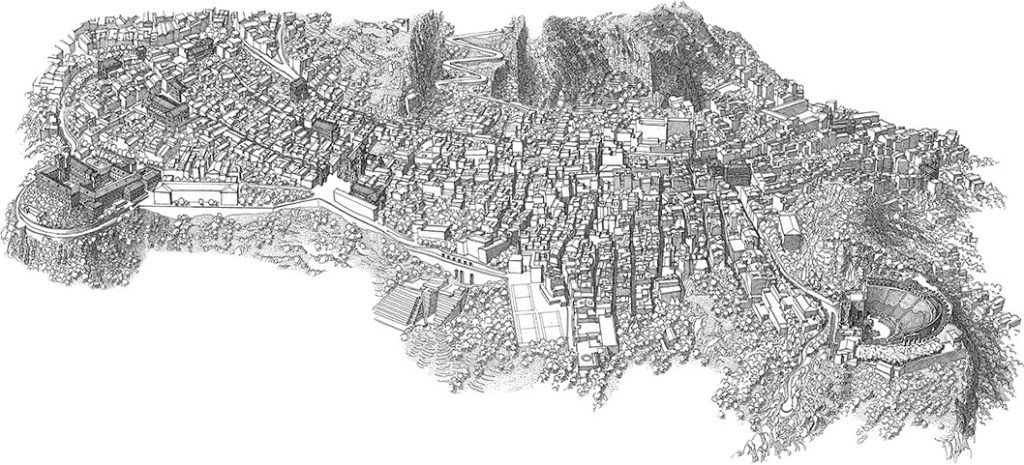
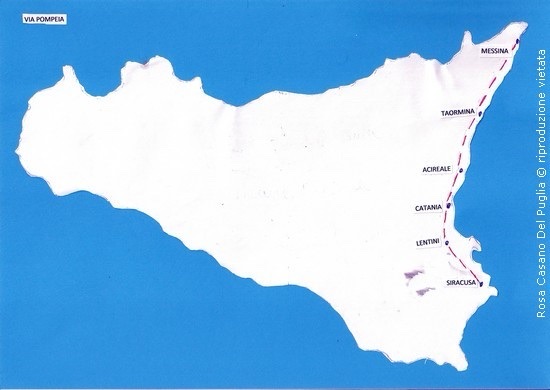
The historic center of the triple-walled Old Town is gathered around the Corso Umberto, with the Catania Gate in the south and the Messina Gate in the north.

Between these gates there are archeological ruins of different eras. These are the main Roman vestiges:
THE THERMAE – The thermal complex discovered on the north side of Piazza Vittorio Emanuele, in the courtyard behind the Carabinieri Barracks of Taormina, extended north under the so-called “Zecca” district where you can still see remains of brick walls and arches incorporated into 18th century houses.
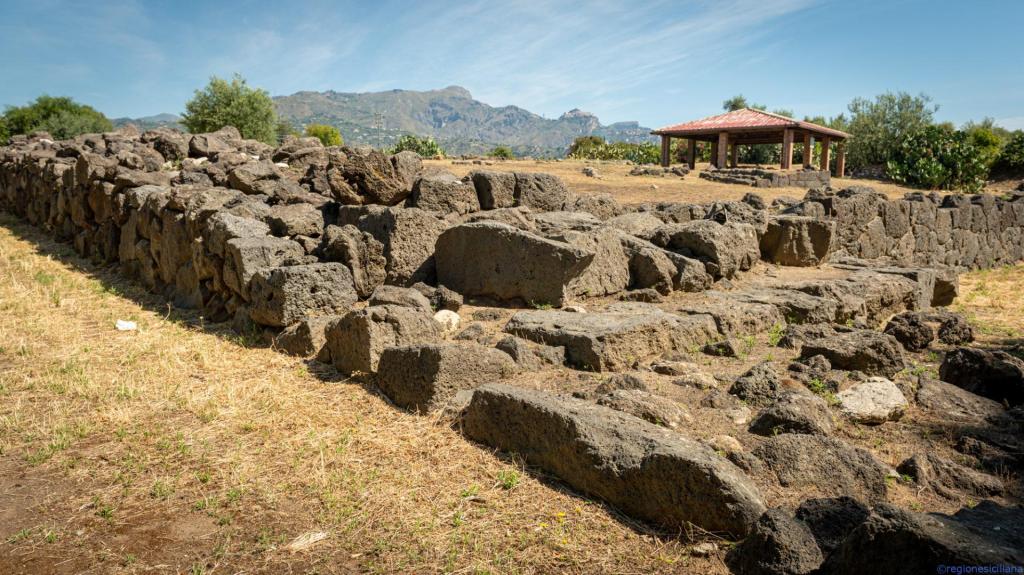
The construction of the thermal building, located on the north side of the Forum, took place during the first centuries of the Roman imperial age (late 1st-2nd century AD). The remains of a a Bouleuterion (assembley house) from the Hellenistic age have been found on the west side of the thermal area.

Three large rooms of the Baths are visible, used as a boiler room or tepidaria, with floors made of marble slabs (crustae) heated by praefurnia (rooms intended for combustion).

Also visible are the small round or square brick pillars that allowed the circulation of hot air under the floors (suspensurae), also fed by terracotta tubes placed close to the plastered walls of the rooms.
THE ODEON – In the Greek-Roman world, the Odeon was a small theatre intended for musical and literary performances. Built in the 2nd century AD, it is an authentic jewel of Roman architecture on which, over the centuries, various structures were built.
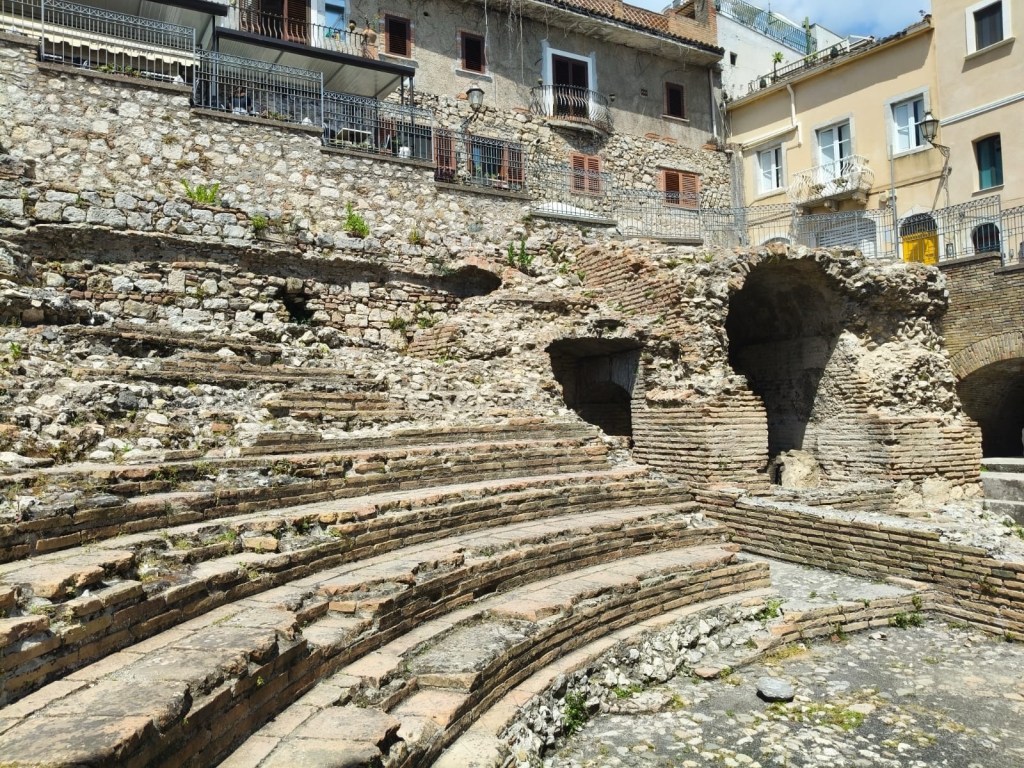
The cavea is divided into five sectors and is surmounted by a brick gallery. The Odeon was built on a Greek temple, now hidden by the Church of Santa Caterina (17th century).
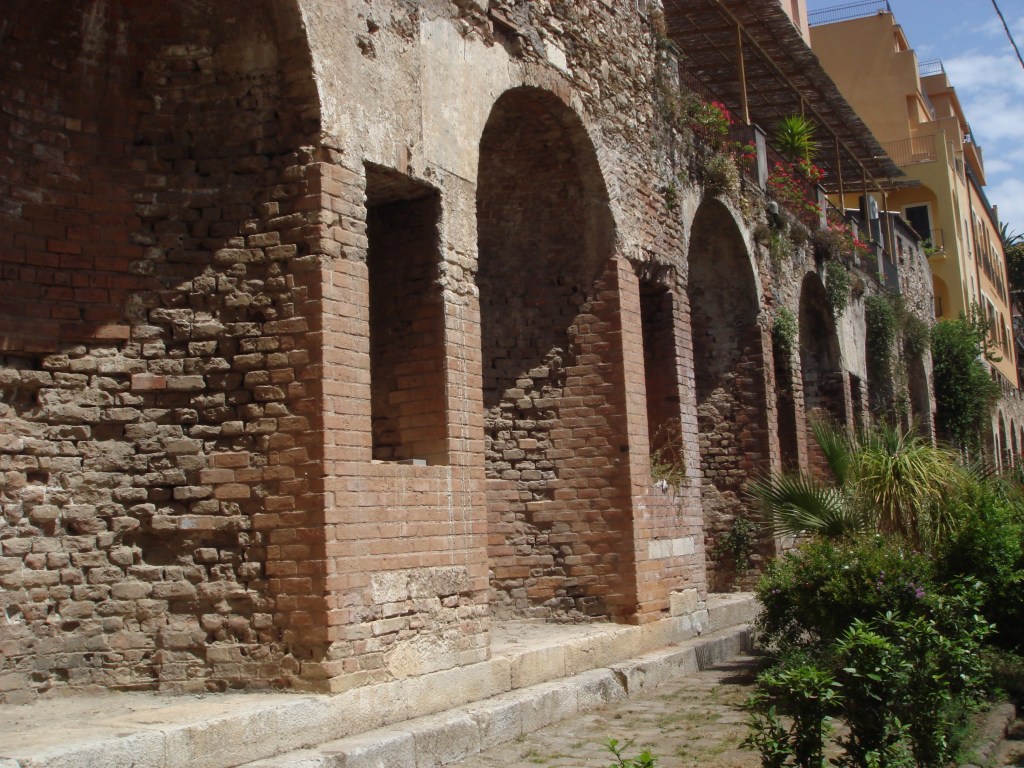
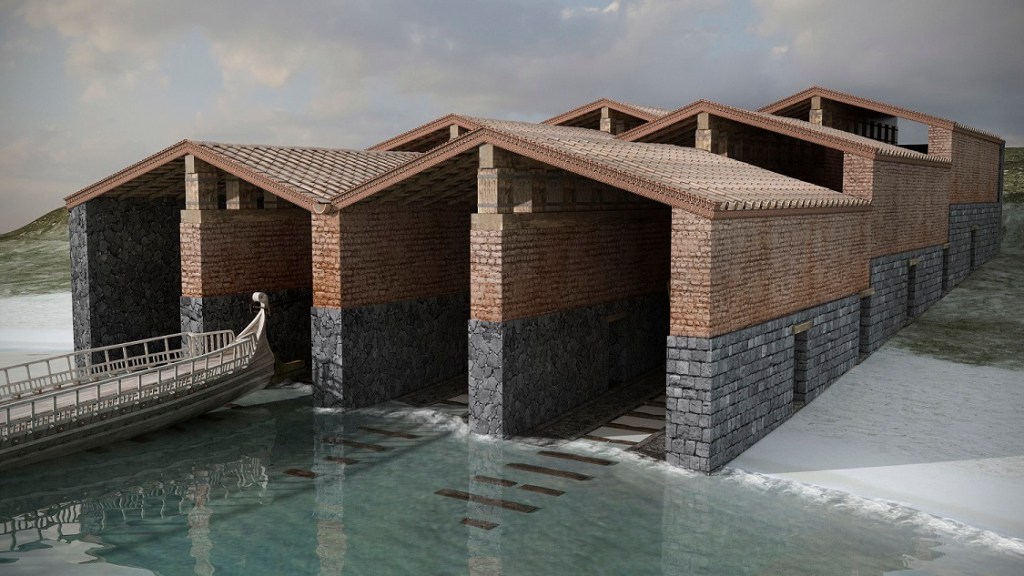
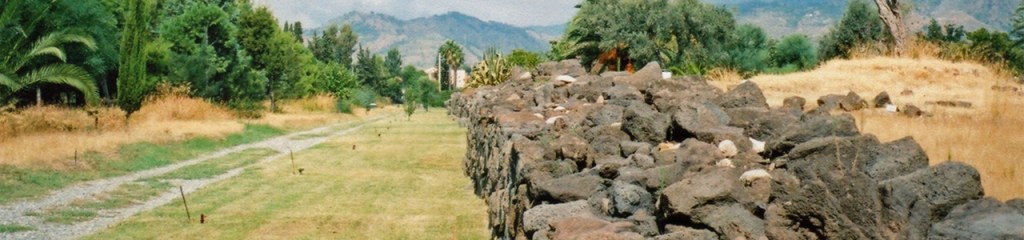
NAUMACHIA – The so-called Naumachia is a large building made up of a brick wall, 122 meters long and 5 high. It was built in Roman times in the second century AD. Naumachia literally means “naval battle.” In fact, once it was believed that the monument was a water circus, built by the Romans for the representations of naval battles, but the monument is a nymphaeum with niches, a monumental fountain with water features. Roman structures were used as foundations for modern homes.
‘Fun Fact’- Gaius Verres, Tauromenium v. Rome
Tauromenites did not integrate with the Romans despite their privileges. There were even open revolts, the most famous (narrated by Roman historians) in 73 BC, when the population toppled the statue in the Forum of corrupt Roman governor Gaius Verres, who had stolen works of art and demanded large quantities of wheat, supplies and even ships.

The city welcomed and collaborated, however, with Marcus Tullius Cicero, when he came to Taormina to gather evidence to accuse Verres in the Senate. Verres then voluntarily exiled himself to Marseille, where he remained until his death, in 43 BC.

Cicero, satisfied with Verres’ departure, did not read all the five famous orations, called In Verrem, before the High Senatorial Court. He only read the first and limited himself to publishing the others. In these orations he wrote a lot about Taormina and described Verres as an inept, a ‘little’ man, albeit fierce and terrible, making pitiless comparisons with the great men who had ruled Sicily, both Greek tyrants and famous Romans.
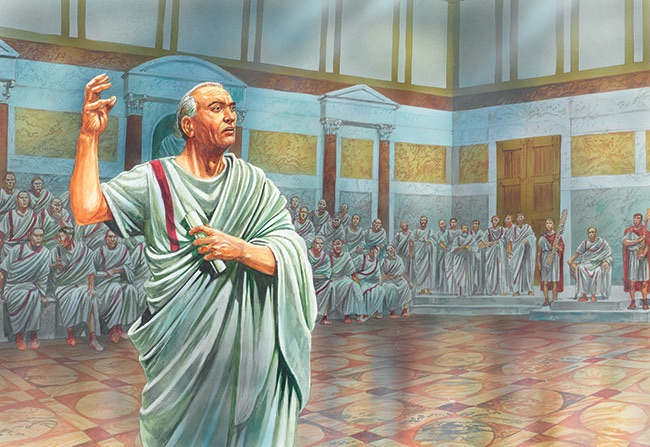
“I do not believe”, wrote Cicero in one of his famous invectives, “that one human being lives, who has heard the name of Verres spoken and cannot also repeat the tale of his evil doings. I have therefore more reason to fear criticism for passing over charges of which he is guilty, than for inventing against him charges of which he is innocent”.
He also spoke about Sicily: the island, he underlined, “was the first to demonstrate to our ancestors what a noble task it was to dominate foreign peoples”.
Useful Informations
GREEK-ROMAN THEATRE
Tickets 12 € Reduction 6 €
IL TEATRO ANTICO
Via del Teatro Greco, 40
98039 Taormina (ME)
TIMETABLES
Every day from 9am to 4pm
CONTACTS
Tel: +39 0942 51001
Mail: parco.archeo.naxos@regione.sicilia.it
Our Tabernae – Where to Eat
Trattoria Tiramisù – Via Apollo Arcageta 9
+390942090066
Sicilian cuisine, Fish, pizza and pinza
 Italy as the Romans did
Leave a comment