- The ‘Must See’: Varignano Roman Villa
- History and Roman Legacy
- Ancient Rome Itinerary
- Fun Fact: The Ancestor of Parmesan Cheese
- Useful Informations for Portovenere
- Our Tabernae, where to eat
The ‘Must See’: Varignano Roman Villa

Olive Oil and water: these were the ‘treasures’ of the Varignano Roman Villa in Liguria, a manor house built in the 2nd century BC and transformed and reconstructed many times that remained active until the 6th century AD. We are in the area of Portovenere, dubbed the “the sixth” Cinque Terre town: a Unesco World Heritage Site that features a gorgeous medieval center, iconic churches, a castle, typical colorful Liguria houses and a pristine nature. The famous and crowded Cinque Terre are less than 10 km. away but the Villa is a quiet corner where you can still hear the whisper of thousands of years of history.


The Villa is one of the hidden gems of the Ancient Romans presence in Northern Italy and its visit offers a glimpse of the life of a Patrician family and of the hard work of farmers at that time.
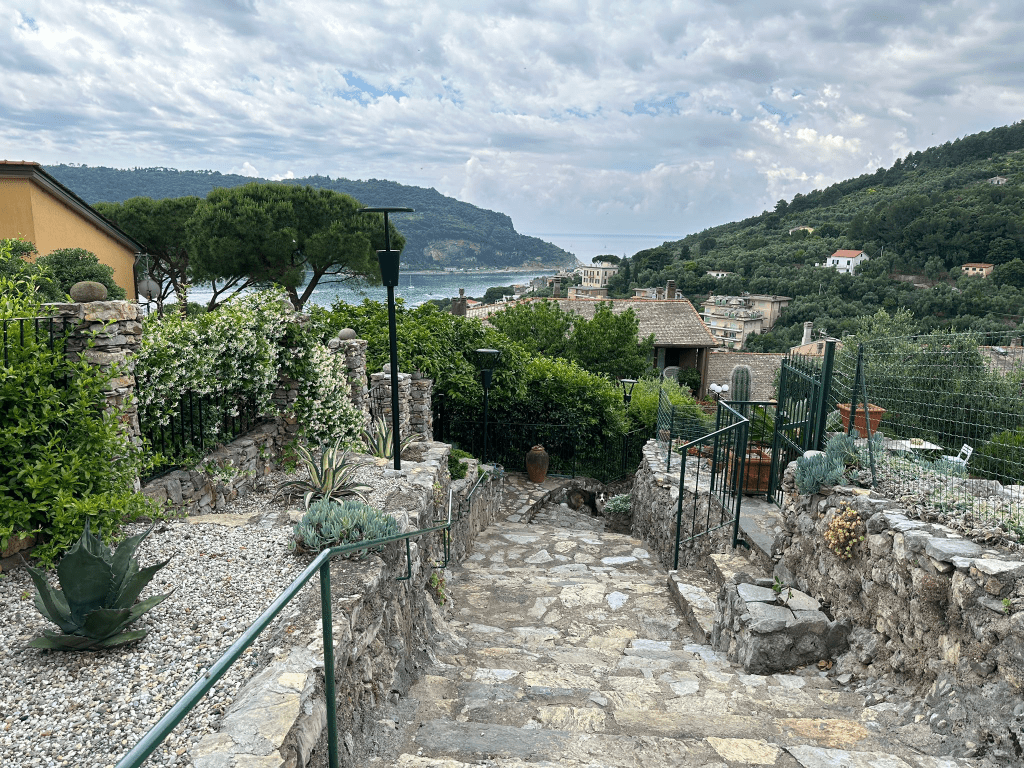
It enjoyed a unique position at the end of a protected inlet, surrounded by 30 hectares of fundus, a terrain cultivated with olive trees. It was part of a system of docks and farmlands created by the Romans in the gulf of La Spezia or Poets Gulf, revolving around the important colony of Luna (Luni in Italian), at today’s border between Liguria and Tuscany.

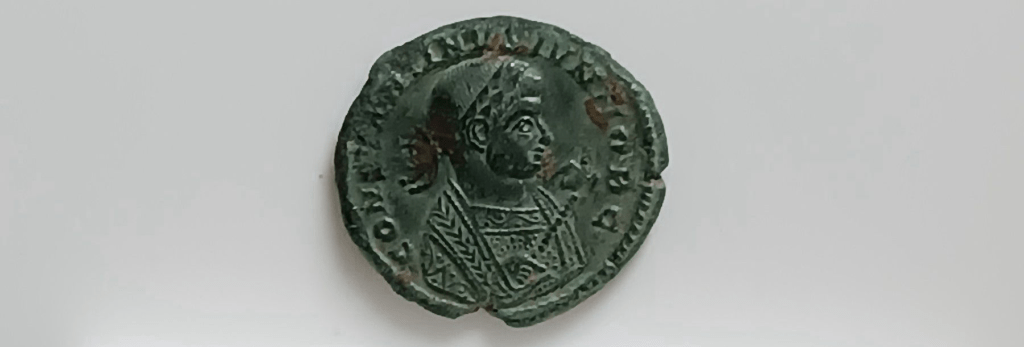
The ruins of the villa, that emerged in excavations that began in 1967 after local farmers found bronze coins in the soil, are located in the hamlet of Le Grazie.
It is a 10 minutes drive or a pleasant half an hour walk from Portovenere, between the Varignano Fortress (built by the Genoa Maritime Republic, today it is the military base of the Italian ‘Navy Seals’) and the Sanctuary of Madonna delle Grazie.
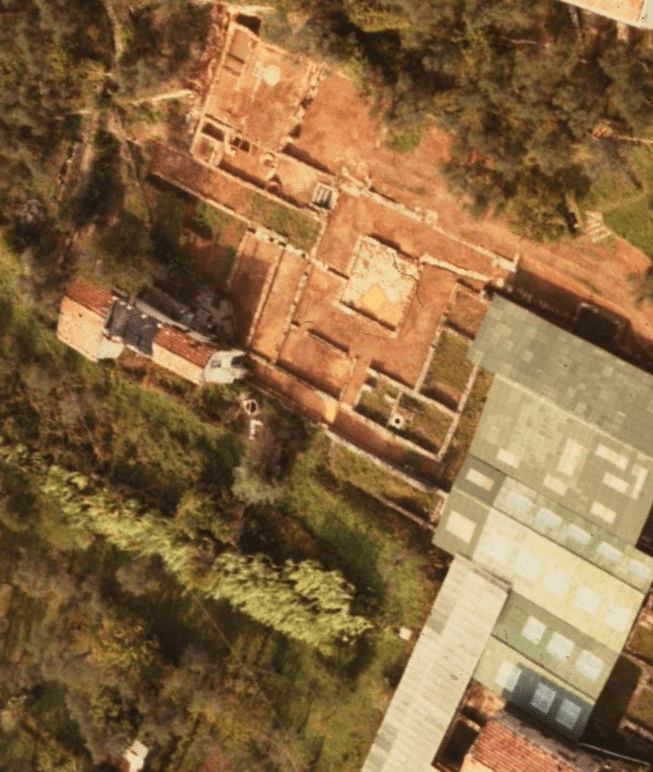
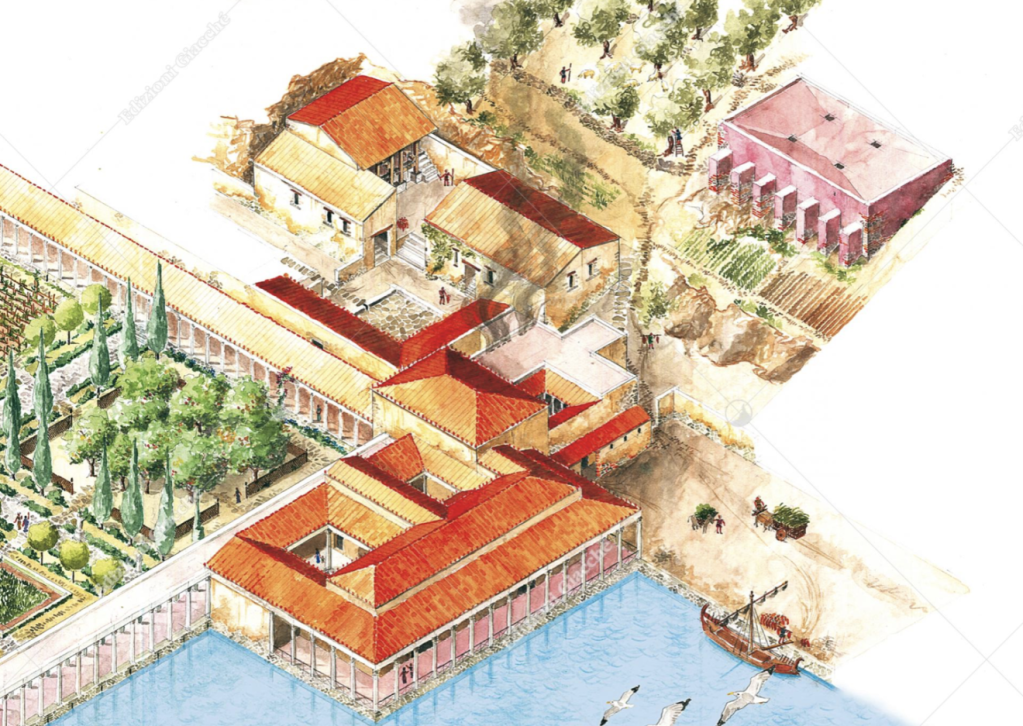
The villa as we see it today was conceived around 80-90 BC (late Republican era at the time of Sulla, the first Roman general to march his army against Rome to fight his rival Marius). Latin historian Varrone describes “a perfect villa” that “stood in the well sheltered inlet of Varignano, between the Muzzerone hill and the Castellana, at the mouth of a small stream”.
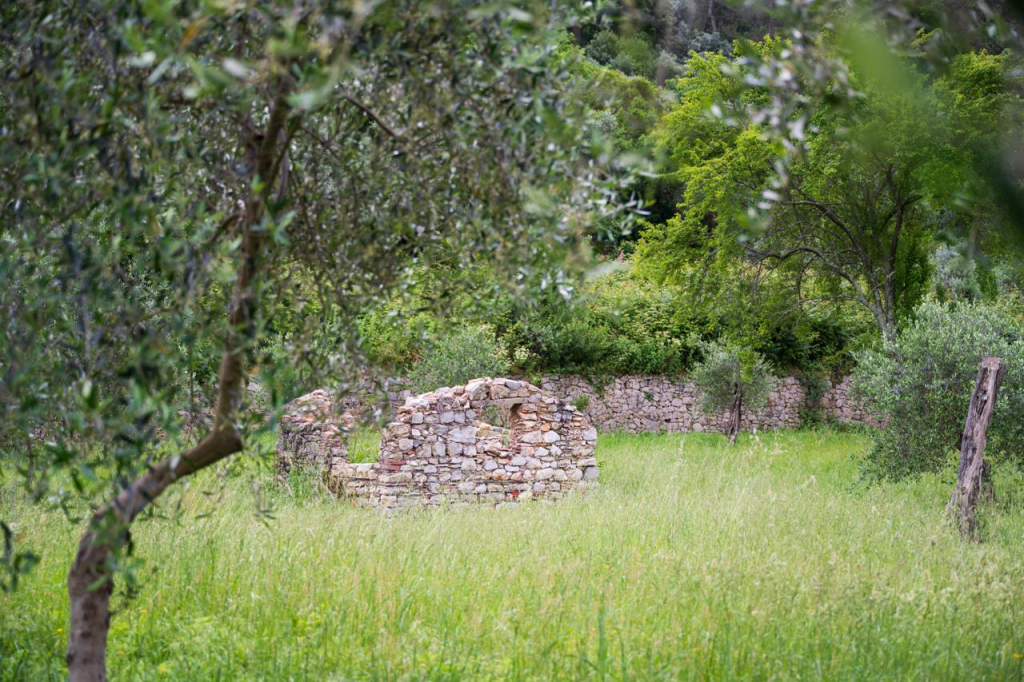
It was designed as the residence for an oil merchant, halfway between a villa rustica (residence in a farm where the slaves cultivated the land and worked) and a maritime villa d’otium for leisure. There were two main areas: the pars urbana, with the residence of the merchant and his family, and the pars fructuaria, the productive area. In the middle was the area where olives were pressed to produce oil (’torcularium’).
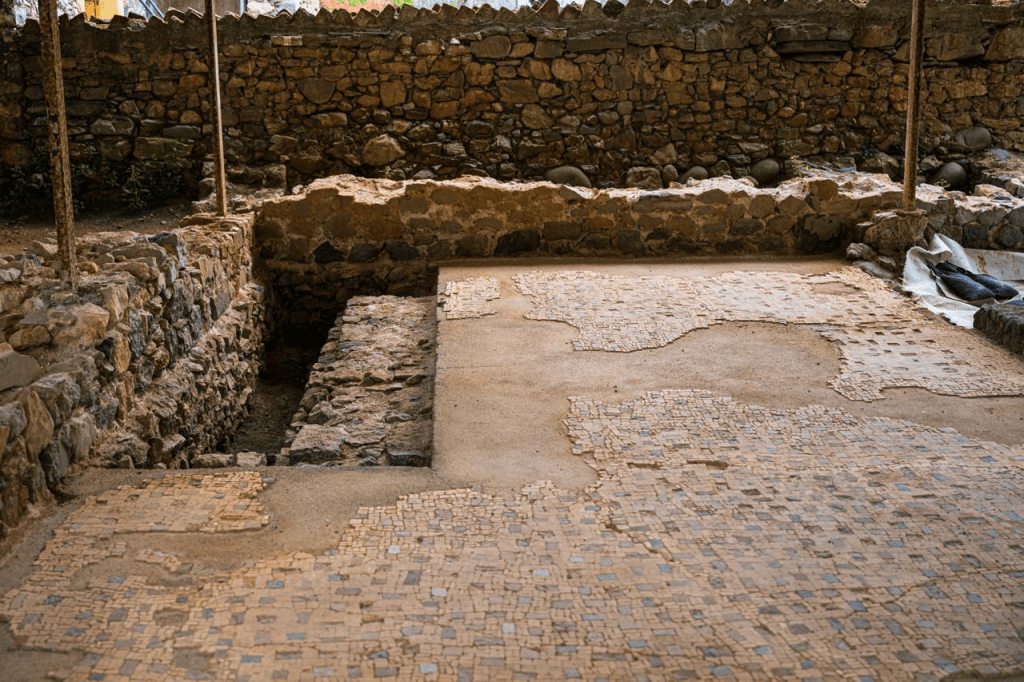
The merchant residence was one storey, the pavement is in white marble with mosaics with polychrome limestone tiles in the ‘atrium’, living rooms and bedrooms. The precious opus musivum , mosaic ‘carpets’, is made of tiles in Lunensis marble, the marble from Luna colony and its quarries in the Apuan Alps, birthplace of the renowned Carrara marble. The residence had a scenographic porticus facing the sea.

The rectangular domus was adjacent (but not communicating) to another rectangular wing where the vilicus (farmer) lived with his family. Here the the pavement is cheaper, it was covered with ‘cocciopesto’, a material made of a compound based on Hydraulic lime and crushed bricks, with geometrical motives with lozenges, rosettes of rhombuses.

The pars fructuaria with the oldest oil mill in Liguria is very interesting, a real ‘lesson’ on how olive oil was produced by the Romans with rules that are partly still applied today. There were two presses, of the oldest type described by Cato the Old in his ‘De agri cultura’ treatise on Roman agriculture: with lever and winch and fixed to the ground by sturdy stone elements. They consisted in a prelum (pressure pole) supported by the arbor (tree) and they were moved with straps toward the sucula (winch) held by the stipites. They are exceptionally well kept.

The olives, alternated to fiscoli (discs) of vegetable fiber stacked on the pressing area, were pressed by the prelum and the filtered liquid, a mixture of oil and water, flowed into the settling tanks where the solid part was separated from the more liquid one.
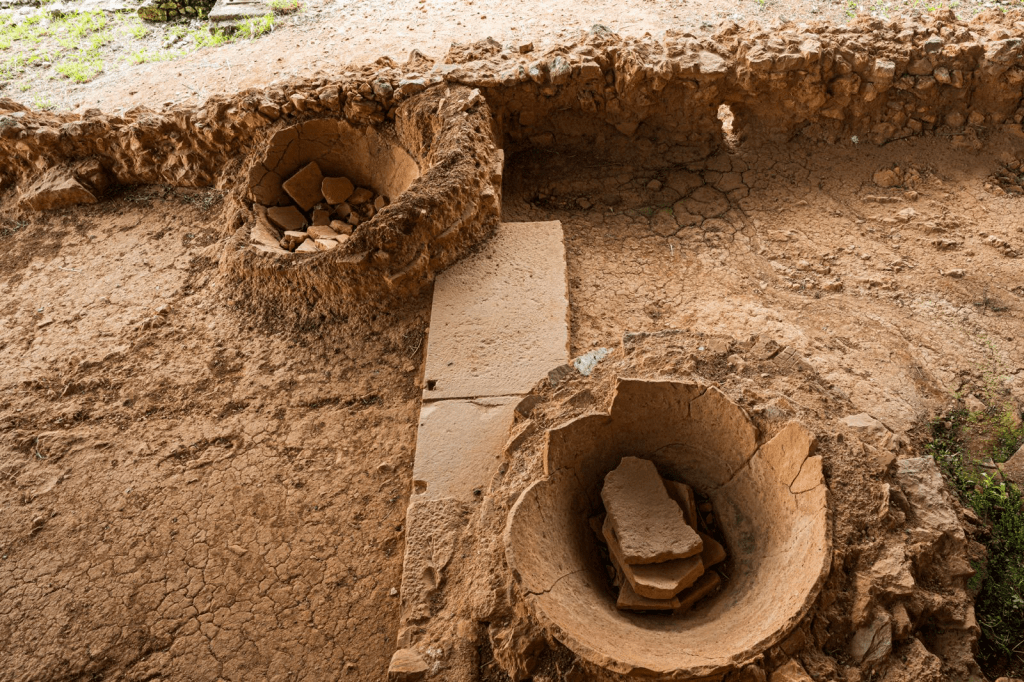
The cella olearia, a large open-air cellar, housed fifty dolia de fossa, large terracotta jars protected by a double lid half buried in the land. When olive oil was ready, it was poured into amphorae to be stored or transported on ships.

In the second half of the 1st century the olive oil production was reduced and the villa was refurbished to offer more comforts. The vilicus residence was transformed into a master spa, a private balnearium with heated rooms and a frigidarium. The thermal area developed around a large basin with a fountain. Water was supplied by a cistern with a barrel vaulted ceiling that is unique for this kind of villas in Northern Italy. It falls into the “pillar tanks” typology and on its outside it has 7 buttresses to balance the thrust of the water inside.


Plastered with hydraulic mortar, it was a masterpiece of architecture that had a flow of 576.000 liters distributed to the villa via lead pipes, the so called ‘fistula aquariae’, an hydraulic network that reached the spa boilers, the kitchen, tubs and fountains. It was built with thick walls in opus caementicium.
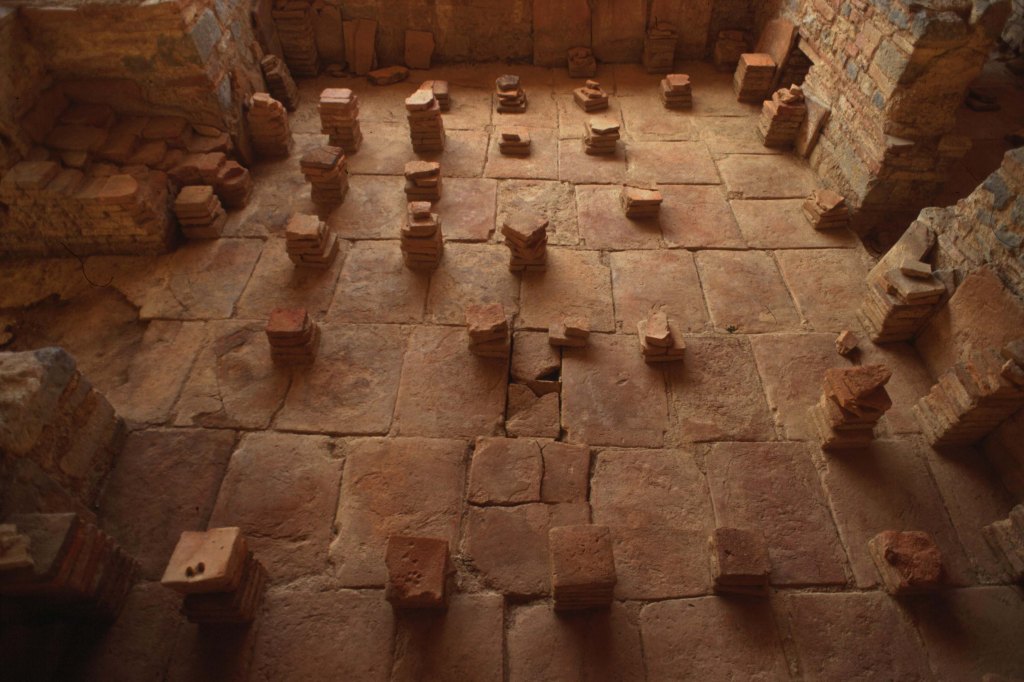
The spa had a calidarium (hot bath), a sudatorim (sauna) with its suspended pavement where is still visible the suspensurae, and a frigidarium, the cold bath room still recognizable for its circular plant and the four niches for statues, to be stored in the future Villa Museum.


The Roman complex had a private dock for loading goods and supplies on boats sailing in the Gulf .

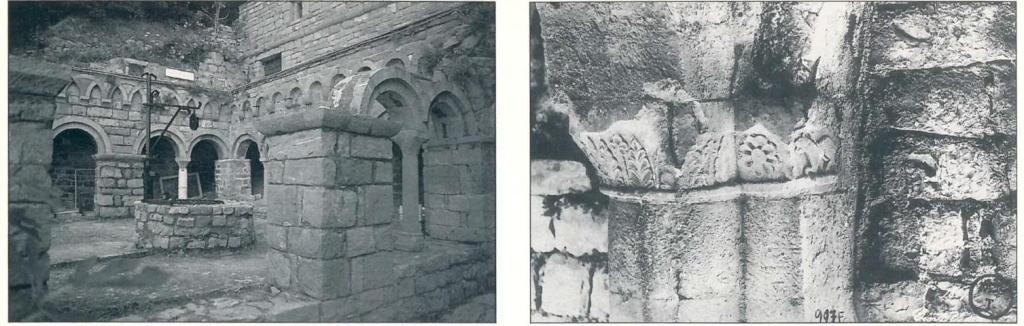
At the beginning of the 5th century AD, the rise in sea level made the place unsafe and the aquifer unhealthy and therefore the villa was definitively abandoned. Around 1000 AD the villa ruins became property of the Benectine monastery on Tino Island and in 1432 it was assigned to the Olivetans, a monastic order of the Benedectine Confederation that wore white habits and had a centralized organization.

History and Roman Legacy
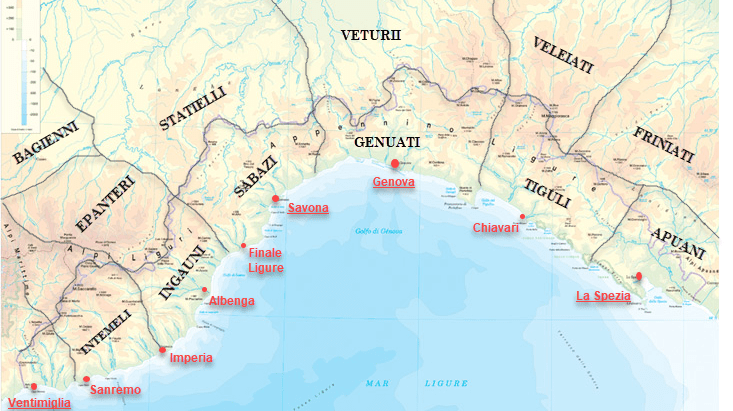
The Ligures (Ligurians) were a confederation of tribes that lived in an area much larger than today Italian north-western region of Liguria, a vast territory between Provence in the east and the Arno river in the west, the Ligurian Sea and the Po river, mainly in hostile lands such as steep cliffs and high mountains. They are one of the most fascinating and little known populations of Pre-Roman Italy. They were short in stature and known to be brave and strong.
They often ambushed the first Romans who explored their region and they were compared to ‘wolves’ for their ferocity.
The first time Romans battled with Ligures was in 238 BC and the year after consul Lentunus Caudinus celebrated a victory over them.
Before 218 BC, the Romans founded a naval base in Genoa that then allied itself with Rome during the Second Punic War between Rome and Carthaginians.In 205 BC Mago Barca, Hannibal’s younger brother, attacked and destroyed Genoa (“It doesn’t deserve to be spared because its wine tastes like vinegar”, reports Tito Livio) , he brings its treasures to Savona and he makes an alliance with this city. Ever since then Genoa and Savona (Savo Oppidum Albinum in latin) have been fierce rivals. In Italian you still say “avere il magone” (to have a Mago, Magone in Italian), for being on the verge of crying. One theory is that it derives from Mago Barca’s death on his way to Carthagena narrated by Italian poet Petrarca in his Africa with his reflections on the caducity of life: “Restless man, anxious through all his years, Hurries long the road to death: death, the best of things …”.

In 181 BC the Roman legions led by consul Lucius Aemilius Paulus defeated the Ligurian tribes of the Sabazi and the Ingauni on the heights above the fertile plains of Ingaunia (Albenga). In 180 BC with consuls Cornelius and Baebius the Romans inflicted a serious defeat to the Ligures and organized one of the greatest deportations in Ancient history: 40.000 men, women and children were transferred to the southern region of Samnium, not far from today’s Naples.
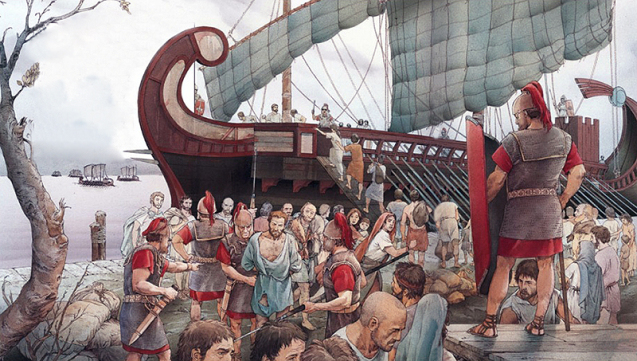
From 182 BC to 154 BC the Romans conquered Liguria. In 42 BC the Ligurian province of Cisalpine Gaul was merged into Italia. In 15 BC Liguria was formally annexed to the Roman Empire in 15 BC, becoming the IX Regio.
One of the most powerful tribes among the Ligures were the Apuani, who originally inhabited also the coastal area where the Varignano Roman Villa was later built and the mountains bordering on Etruria (between today’s Liguria and Tuscany).
They were allied with the tribes of Tiguli, Veleiati and Friniati against Rome and they resisted colonization even after the slaughter of 9.000 Apuan ligures and the partial destruction of their territory. Roman historians celebrate their strength and resilience writing that “their women fought like men” and that when they defeated Rome in 192 BC “Ligures got tired of chasing before Romans got tired of running away”. It refers to the ambush of Saltus Marcius (in the wilderness of Garfagnana, not far from today Lucca) when Roman consul Quintus Marcius Philippus was attacked and lost 4.000 legionaries and three standards, the insignia of war of the legions, a great dishonor for Rome.
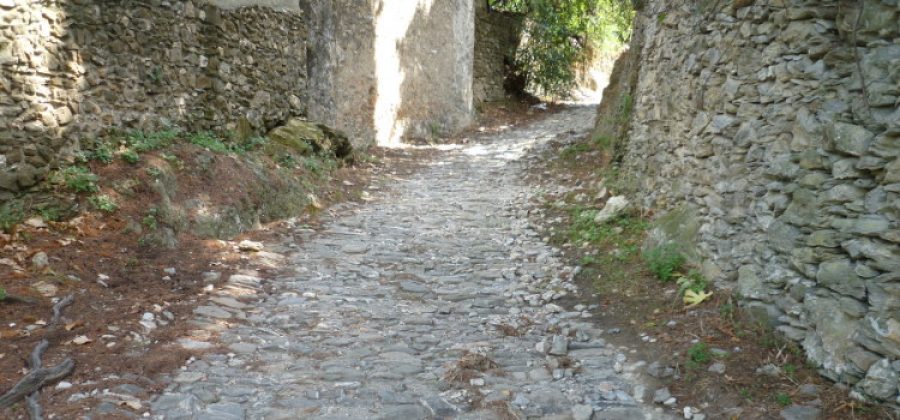
The consular roads built by the Romans, in particular Aurelia and Iulia Augusta (connecting the plains of the Po River valley to southern France), contributed to the Romanization of the region. Apart from Luni and Genoa, the main cities were Albingaunum (Albenga), Alba Docilia (Albisola Superiore), Albintimilium (Ventimiglia), Vada Sabatia (Vado Ligure), Segesta Tigolliorum (Sestri Levante).
Ancient Rome Itinerary
Portus Veneris derives its name from a Temple dedicated to the goddess Venus Ericina that was located where the marvelous church of San Pietro now stands.
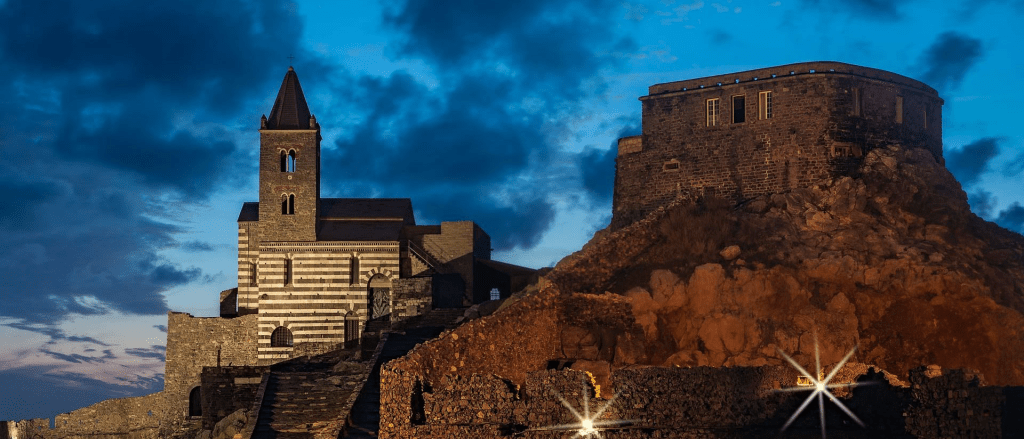
Under the Romans it was a maritime vicus between the ports of Luna and Segesta (today’s Sestri Levante) in the coastal trips from Rome to Genoa and Gaul. After it became the naval base of the Byzantine fleet, the port was destroyed by the king of Longobards Rothari in 643 AD. The only Roman ruins are some walls found under the Spallanzani square, but they are not visible today.

At less than an hour drive from the Varignano villa, you can visit the wonderful Antica Luni archaeological area and its museum.
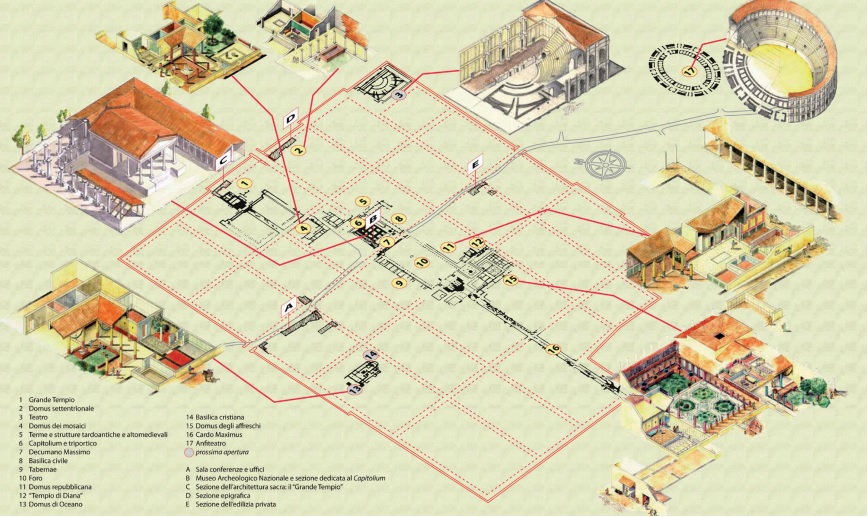
Luni was a powerful colony founded in 177 BC over an outpost for the legions. The archaeological park is in a scenic area in front of the sea, surrounded by the Apuan Alps.

Its name derives probably from Luna (moon), due to its semicircular shape and perhaps as a tribute to the Goddess Selene that brings light. In 177 BC 2000 veterans , were permanently settled in Luni and each veteran was assigned 51 and a half jugera (about 33,5 acres) of land, often in swamps and marshes that needed draining.
In 154 BC consul Claudius Marcellus finally submitted Ligures and a statue in his honor was erected in the city, where the Capitolium temple was being built.

The Via Aurelia, which led from Rome to Gaul, passed through Luni, contributing to make it one of the most important Roman ports, especially for loading the white marble from the Apuan Alps near the modern city of Carrara used in Rome for architectural and artistic purposes. The marble that today we call Carrara in Roman times was called “Lunense”.
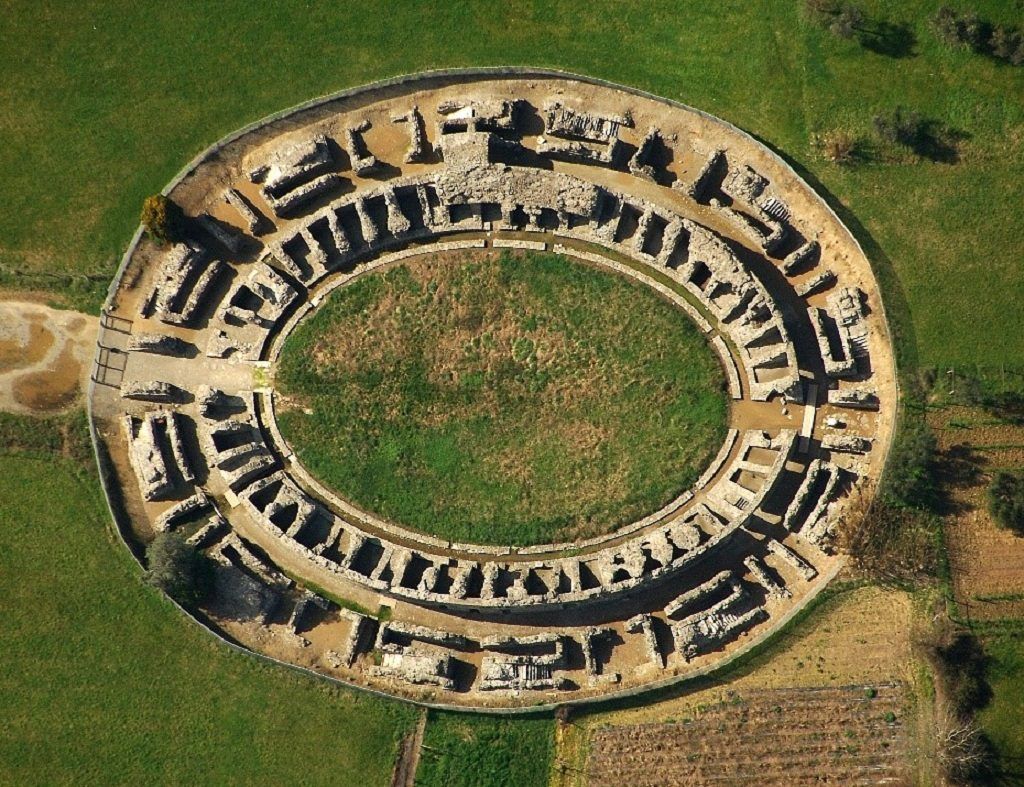
The city amphitheatre, still well preserved with its particular structure, was located slightly outside the inhabited center in Roman times, on the east side, and it hosted Munera Gladiatora (fights between gladiators) and venationes (hunting shows) in front of up to 7.000 spectators (at the time there was a second floor).
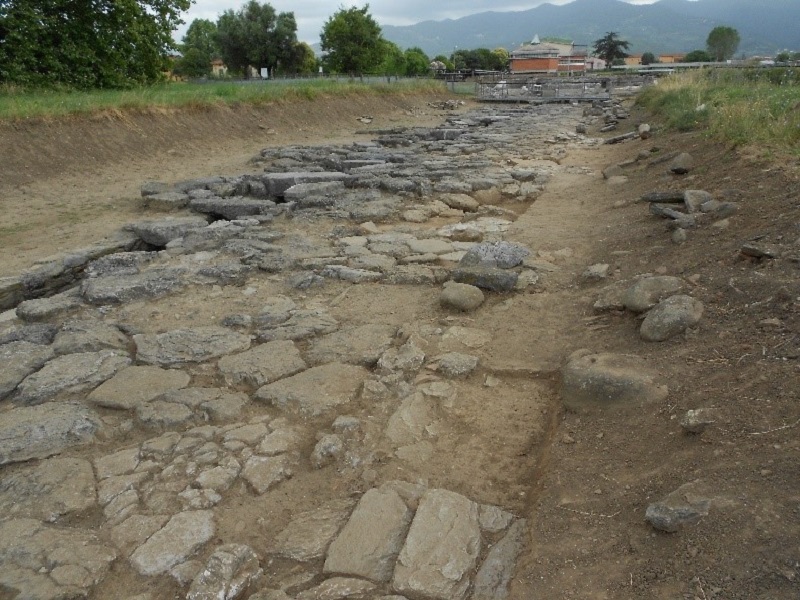

Amongst the most fascinating monuments there are the forum, the Capitolium, the Great Temple and many private residences with mosaics and frescoes, and the more recent Christian basilica.
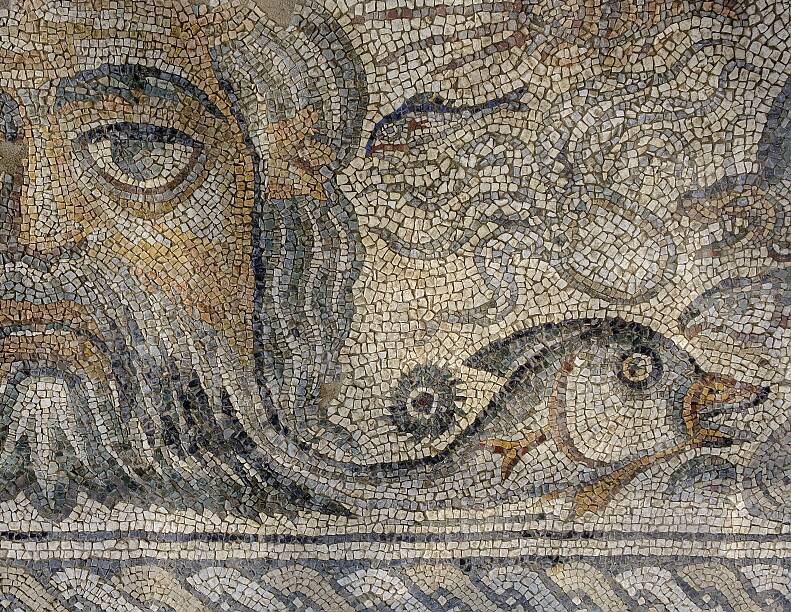
Materials recovered during the research are exhibited in the historic farmhouses scattered throughout the countryside.

In its heyday, Luna had more than 50,000 inhabitants but Dante describes it as “ita”, gone, in the Divina Commedia, since it was abandoned in the Middle Ages when the floods of the Magra river modified the plain, moving the coastline much further forward and causing the gradual swamping of the plain and the subsequent malaric fever.
Fun Fact: The Ancestor of Parmesan Cheese
The Luni colony, at the border between Liguria and Tuscany, was founded in 177 BC by consul Marco Emilio Lepido, who defeated ‘Ligures Apuani’, a confederation of local tribes living in the surrounding mountains. The colony supplied Rome with its precious marbles (the Apuan Alps quarries are the birthplace of the famous Carrara marble) wine and cheese.

Caesus Lunensis a cheese ‘exported’ from Luna in big round shapes, is considered to be the ancestor of Parmesan since it came from the western part of today’s Emilia region, where in medieval times ‘Piacentino’ (from Piacenza), the first Grana cheese, was produced.

On the Roman table there was an abundance of cheeses. Milk was immediately processed to prevent it from curdling spontaneously. Fig or thistle juice was used to coagulate the milk. After this operation, the rennet was poured into perforated wooden containers or rush baskets. The cheeses intended to be consumed matured underwent subsequent processing: pressing, salting, washing, maturing and were finally flavored with thyme, pine nuts and pepper. Those to be consumed fresh were left to dry for a short time in the sun and salted using salamoia.
Useful Informations for Portovenere
Roman Villa of Varignano Via Varignano Vecchio 19025 Loc. Le Grazie, Portovenere SP
https://villaromanavarignano.cultura.gov.it/en/home-en/

How to get there: from Portovenere it is possible to walk (half an hour) or take an ATC bus and get off at Le Grazie Scuole stop. From La Spezia Central Station: reach Via Garibaldi and take ATC bus towards Portovenere. Get off at Le Grazie Scuole stop. Then walk on via Libertà for 500 metres and turn right in Via Varignano Vecchio. Open Tuesday – Saturday 8.30am-6.30pm
Sunday 8.30am-1.30pm. Closed on Mondays. First Sunday of the month free entry
€5 general admission
€2 reduced-price ticket
Free under 18 years old
€8 combo ticket (Museo e zona archeologica di Luni)
Luni Archeological Area and Museum Via Appia 9
19034 Luni (SP) – The amphitheatre is open Wednesday to Sunday (10-13 and 15-18). To visit the Archaeological area and the museum a group reservation is required at: drm-lig.museoluni@cultura.gov.it For updated informations about Museums and Archeological areas in Liguria: https://museiliguria.cultura.gov.it
Our Tabernae, where to eat
Ristorante della Baia Via Lungomare 111, Località Le Grazie, Portovenere (Sp)
Near Luni you can eat at Taberna (via degli Ulivi, 19030, Castelnuovo Magra, a 10 minutes drive from the Archaeological area)

 Italy as the Romans did
Leave a comment